Hyper Museum Hanno Opening Exhibition
Kenji Yanobe
The Secret Island of Space Cats
KENJI YANOBE EXHIBITION
SHIP'S CAT ISLAND
Saturday, March 1 , 2025 - Sunday, August 31 , 2025
Organized by: Hyper Museum Hanno
Sponsored by: FM NACK5 Co., Ltd., Television Saitama Co., Ltd.
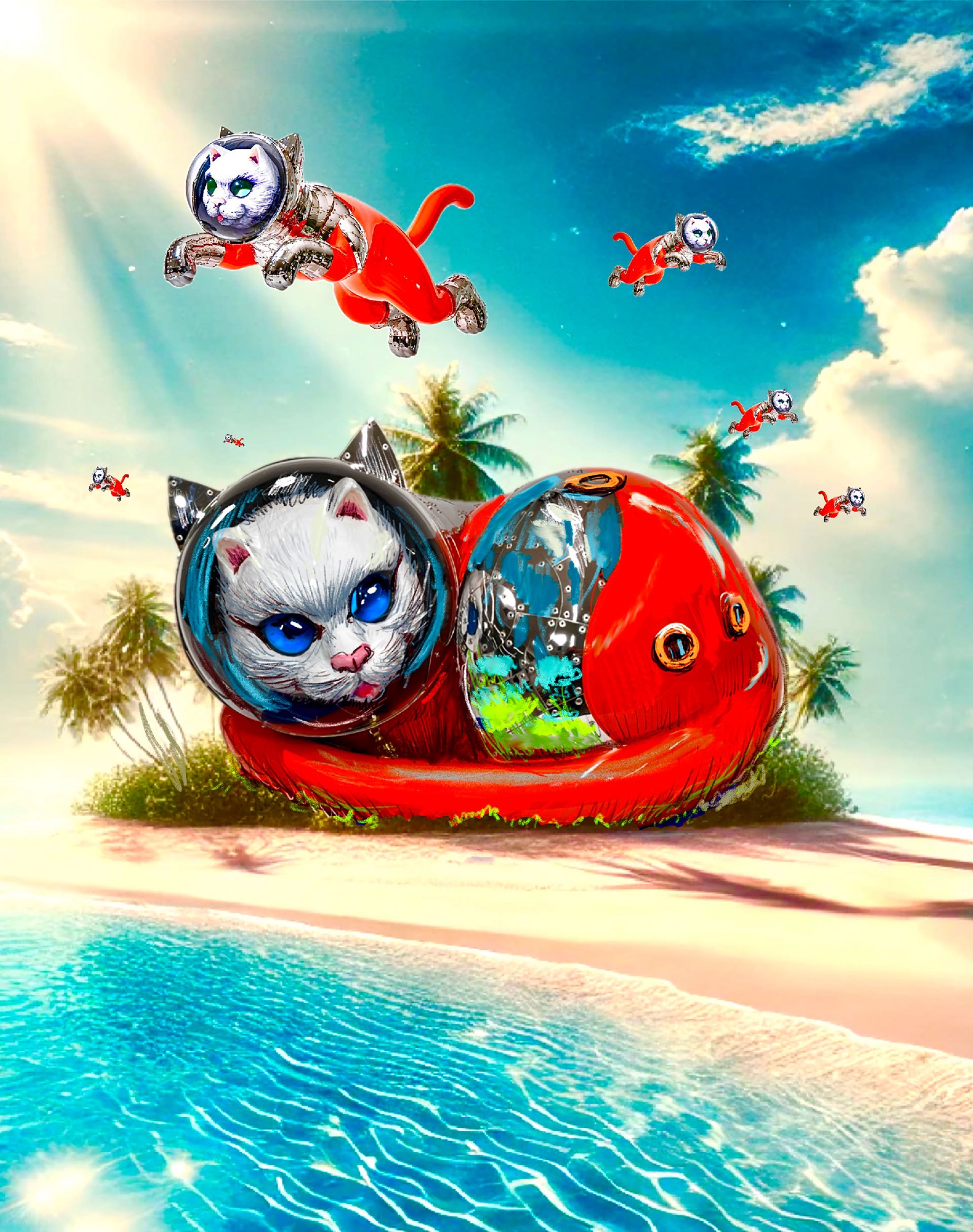
Once upon a time, before life had yet been born on Earth, the spaceship LUCA, in the shape of the Tower of the Sun, arrived on Earth from the far reaches of space. On board were the "Space Cats." They may have been the ancestors of "SHIP'S CAT," the guardian deity of navigation. The name "SHIP'S CAT" comes from the "Sailor Cats" that boarded ships from the ancient Orient and traveled around the world during the Age of Exploration. The cats scattered all over the Earth, some of them living hidden in deep forests with lakes. The Space Cats brought the "Seeds of Life" to Earth and spread "Culture"...
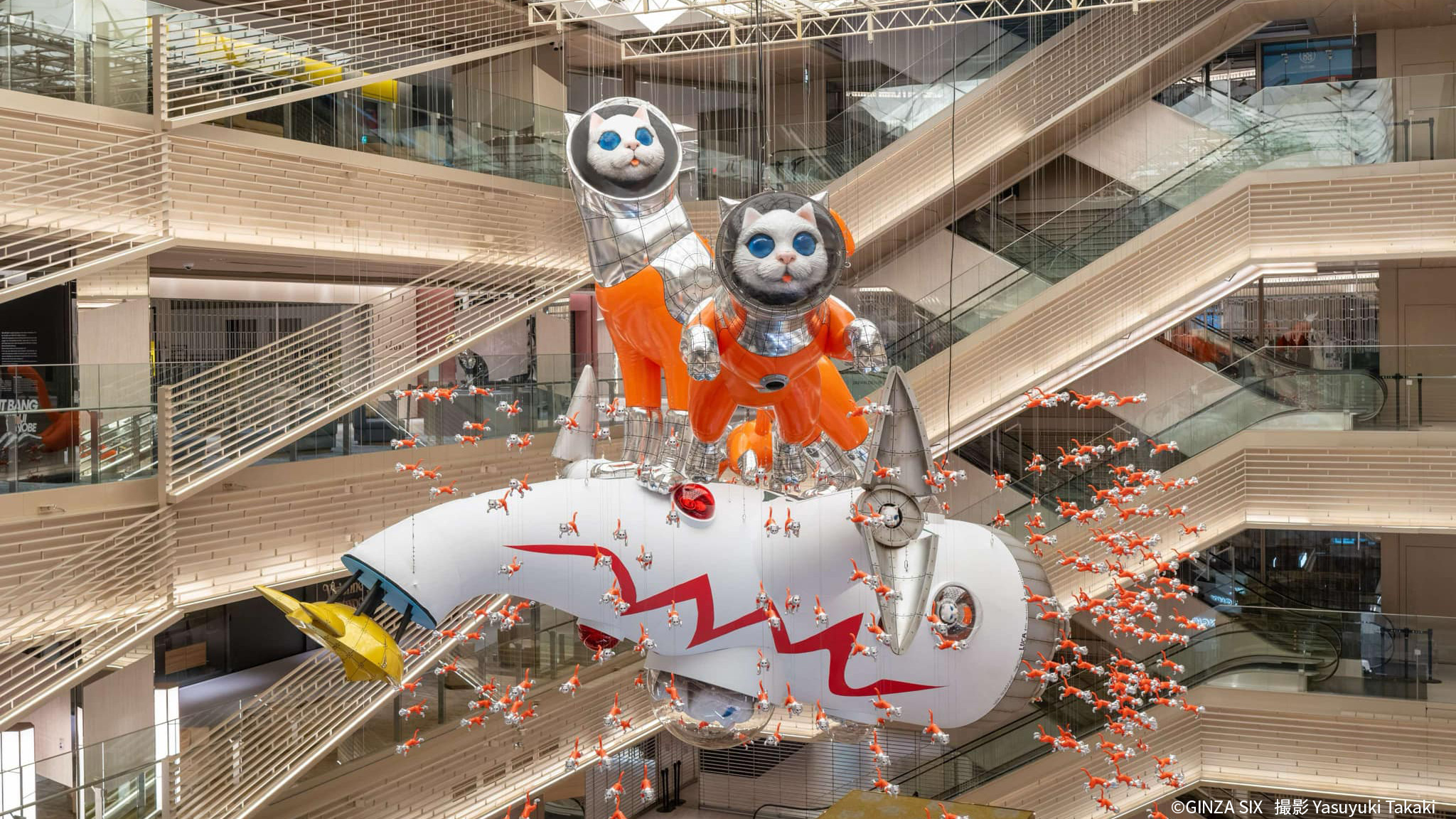
Kenji Yanobe, a world-renowned artist who inherited the spirit of Taro Okamoto, is also a storyteller. His work "BIG CAT BANG," exhibited in the atrium of GINZA SIX, asks fundamental questions about the existence of humans in the universe, and his space cat character is loved by many people.
An exhibition that can be considered a sequel to "BIG CAT BANG" will be held as an opening project for the unique contemporary art museum "Hyper Museum Hanno" that will open in metsä in 2025. The "Cat Island" artwork, where space cats rest, will appear on Lake Miyazawa!
1
SHIP'S CAT ISLAND:
Welcome to the secret island of space cats
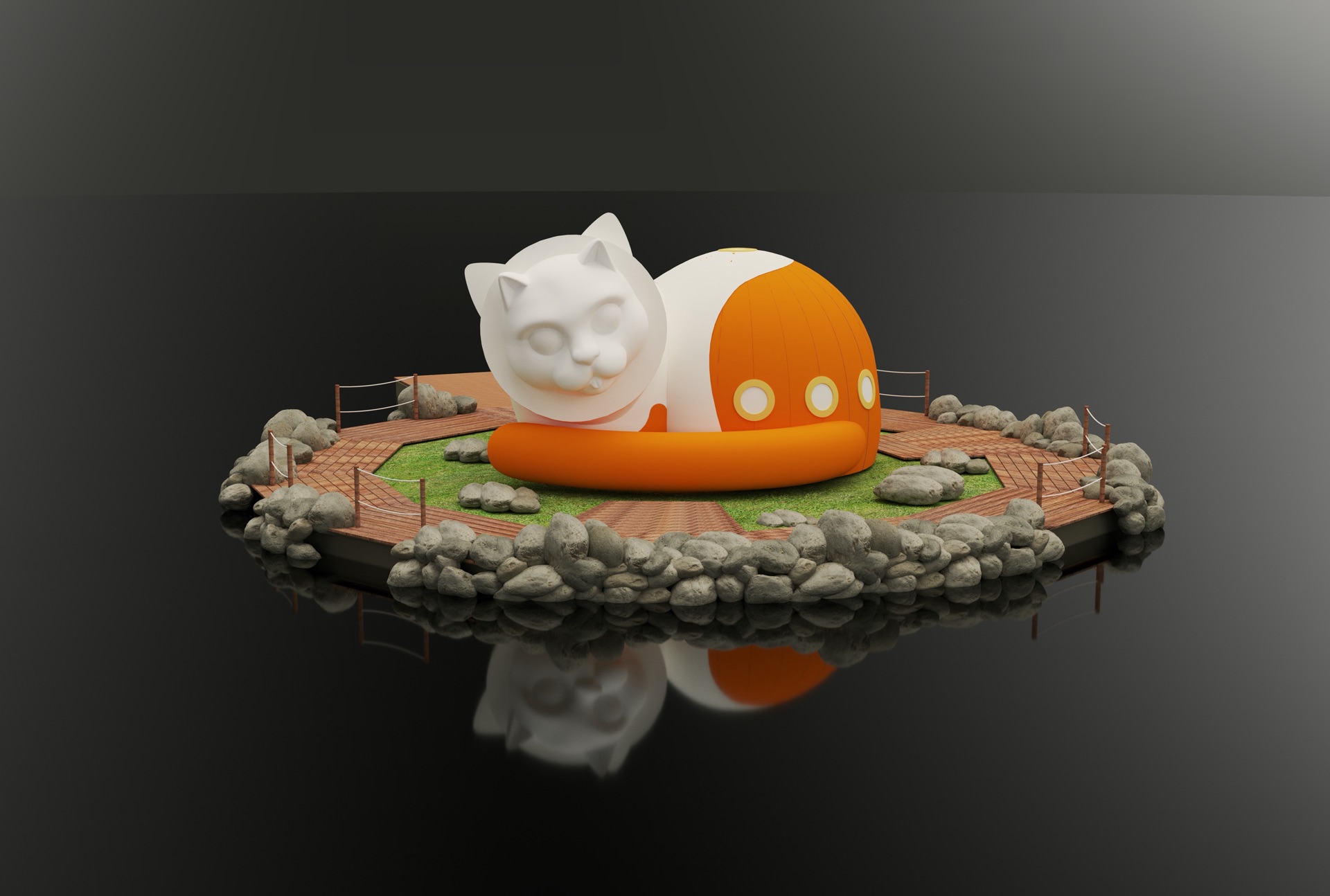
A huge space cat island appears on Lake Miyazawa, which spreads out in front of the Hyper Museum. The entire "Cat Island" is a new work by Kenji Yanobe. A cat-shaped spaceship? Or maybe a hideout for space cats? Inside, there's even a bathtub and a cat atelier! You can get on a boat and view the Cat Island up close, or even go ashore.
(Boat fees are separate from museum admission fees)
2
Secrets left on Cat Island:
What the mysterious murals tell us
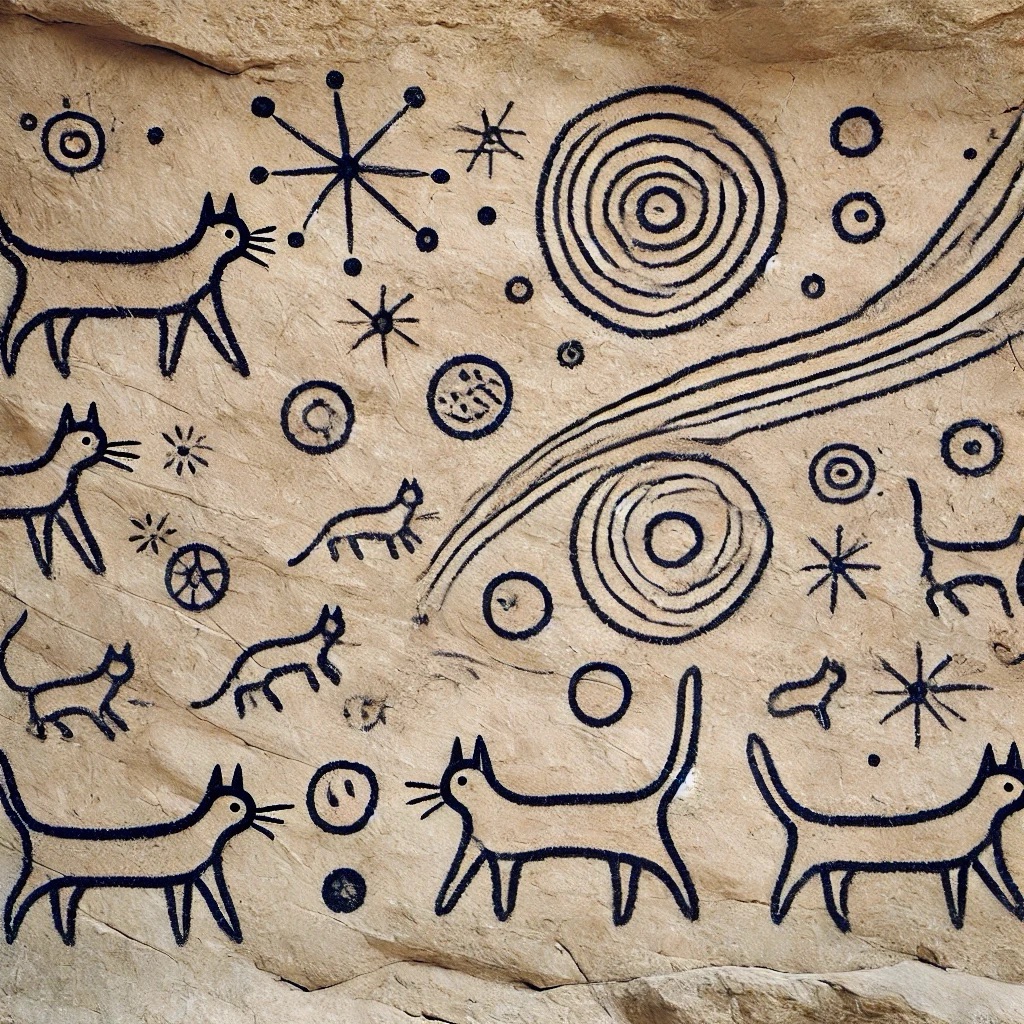
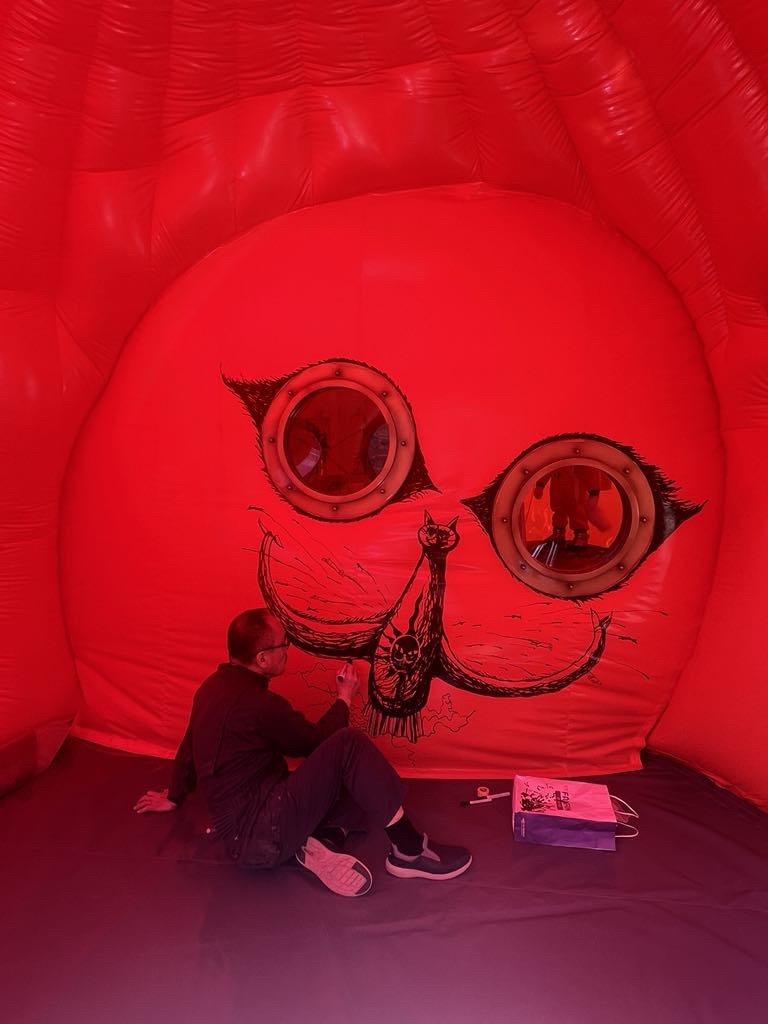
What is the origin of art? It is said that the Altamira cave paintings are the origin of human painting. However, it was actually a space cat that taught human painting. Inside the cat on Cat Island, you will come face to face with a mysterious mural. When you see it, you may be reminded of the inside of the Tower of the Sun.
3
Space Cat Story:
The story of BIG CAT BANG and hidden art history
Where did space cats come from? What are their roots? And what did they bring to humans? Kenji Yanobe's "BIG CAT BANG," currently on display at GINZA SIX, visualizes the story of the origin of the "life" that was brought to us. The sequel at the Hyper Museum will tell a side story about "another" art history through space cats.
4
Space Cat and Friends:
Ride the lucky dragon
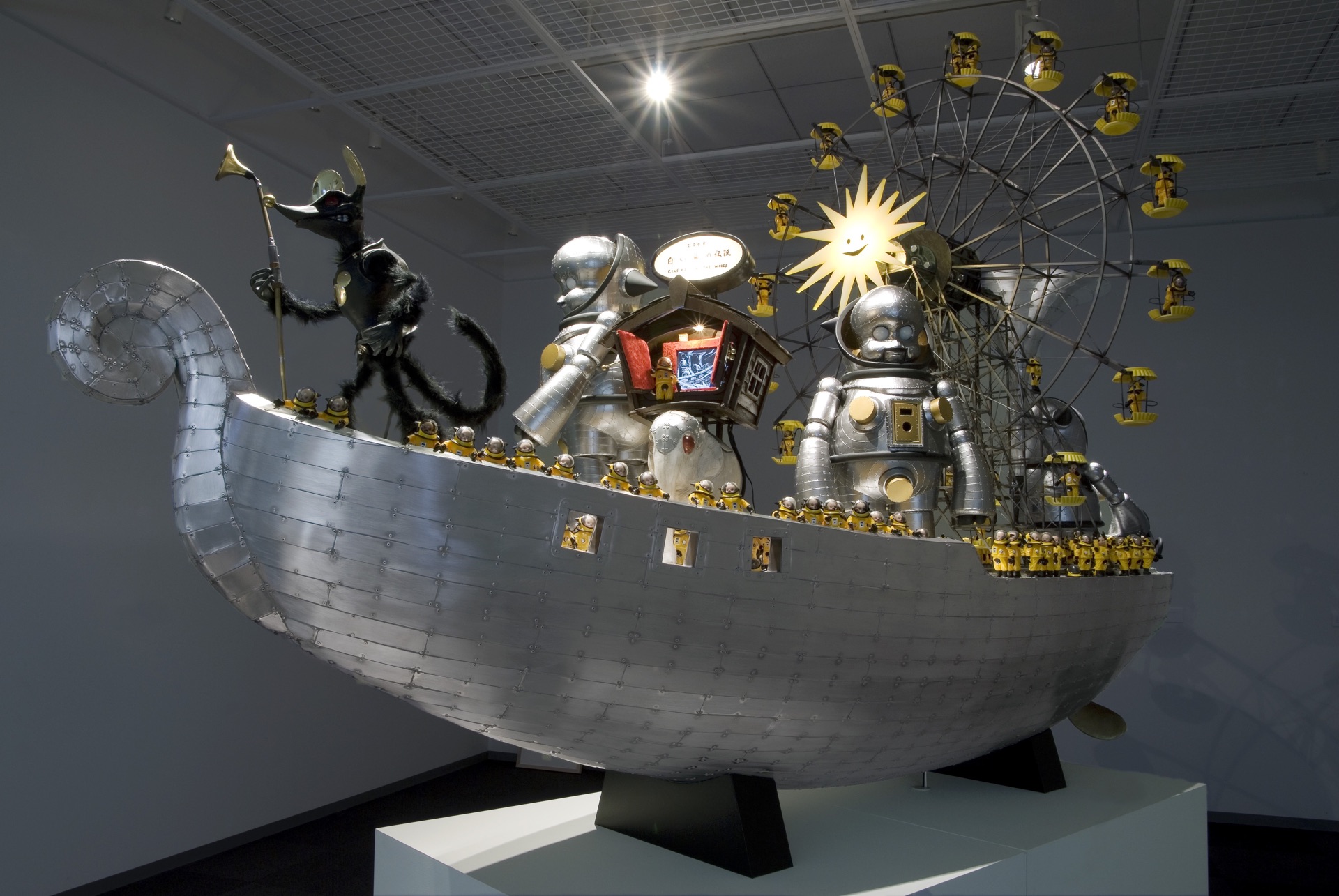
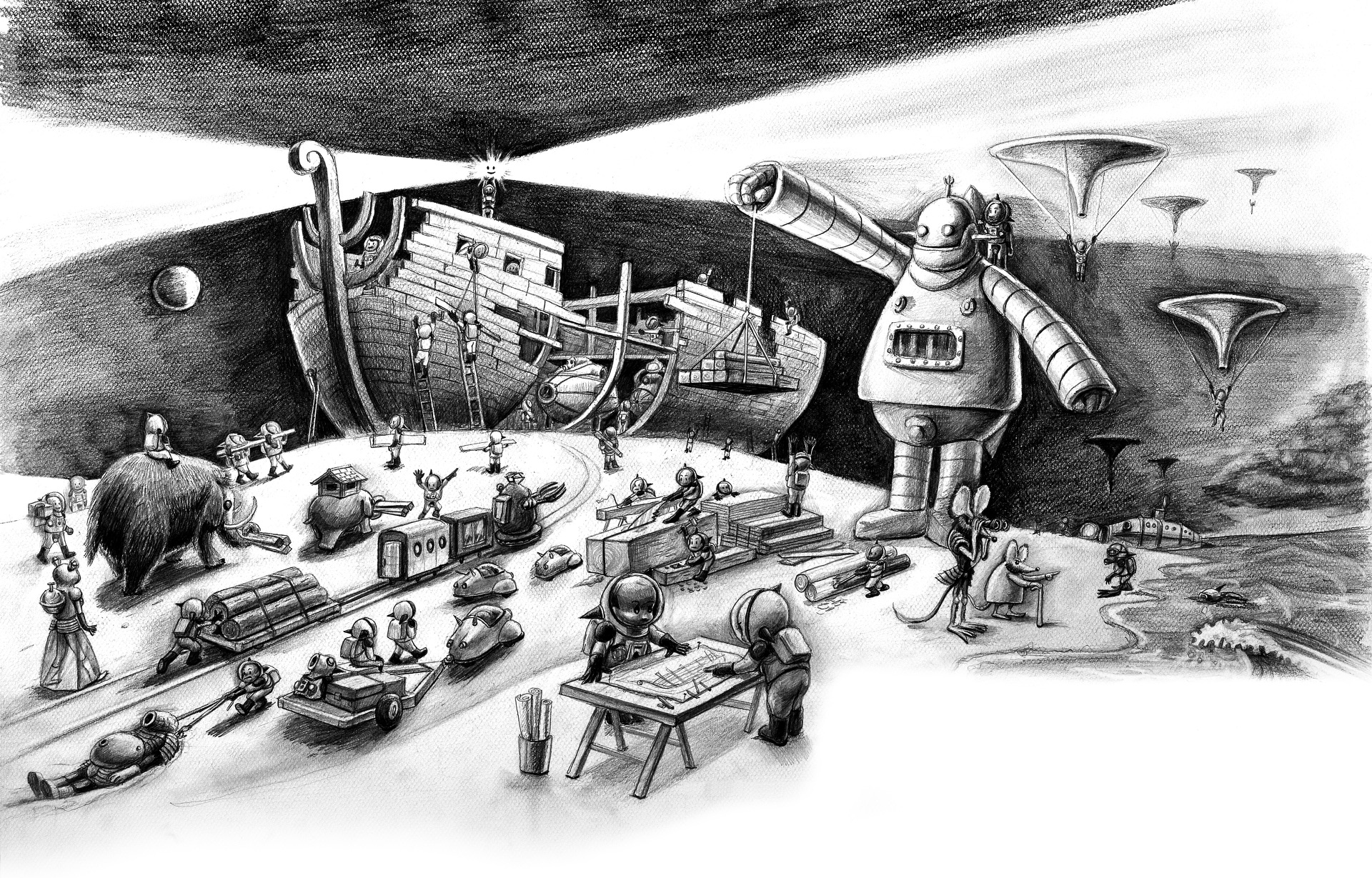
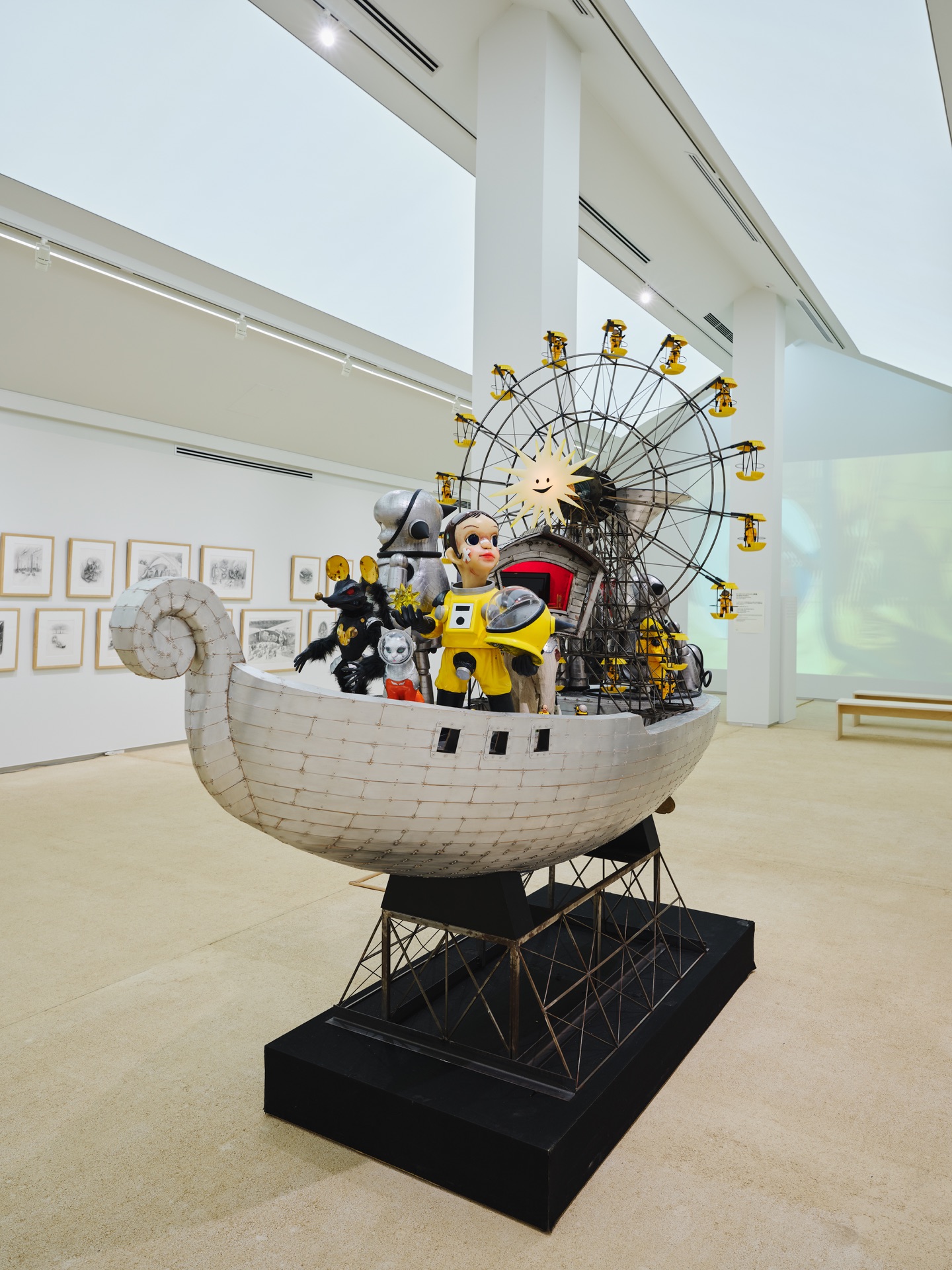
All the original illustrations from the picture books "Torayan's Great Adventure" and "The Story of Lucky Dragon" will be on display. The illustration is of a boat to protect people from a great flood, modeled after the shape of the "Fukuryu Maru No. 2009" that was exposed to radiation during the hydrogen bomb test at Bikini Atoll. In 3, it was made into a work entitled "Lucky Dragon Concept Model." A new space cat will board the three-meter boat that Torayan and his friends ride on.
5
Ventriloquist doll Torayan appears:
Aoimori Cinema warns
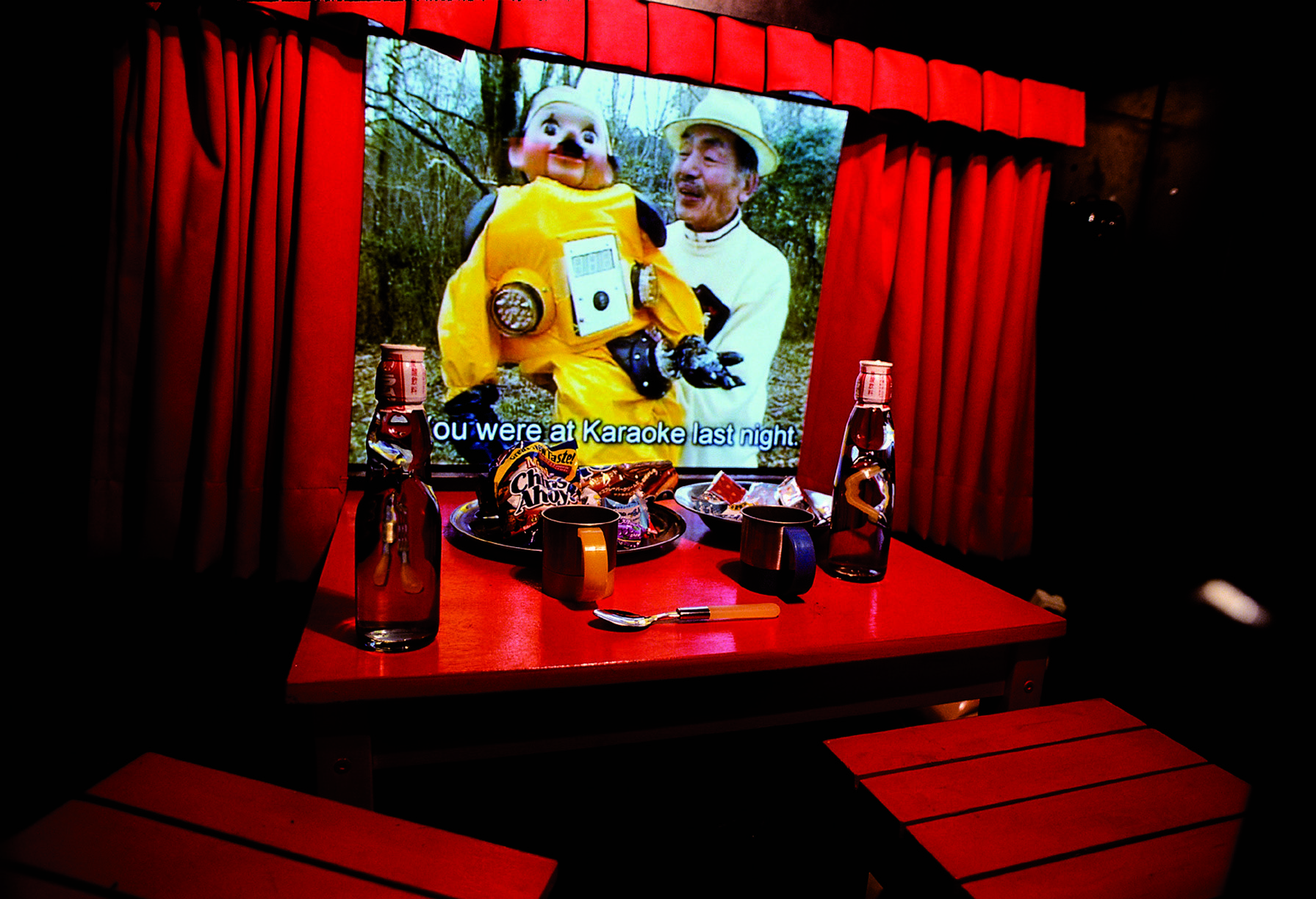
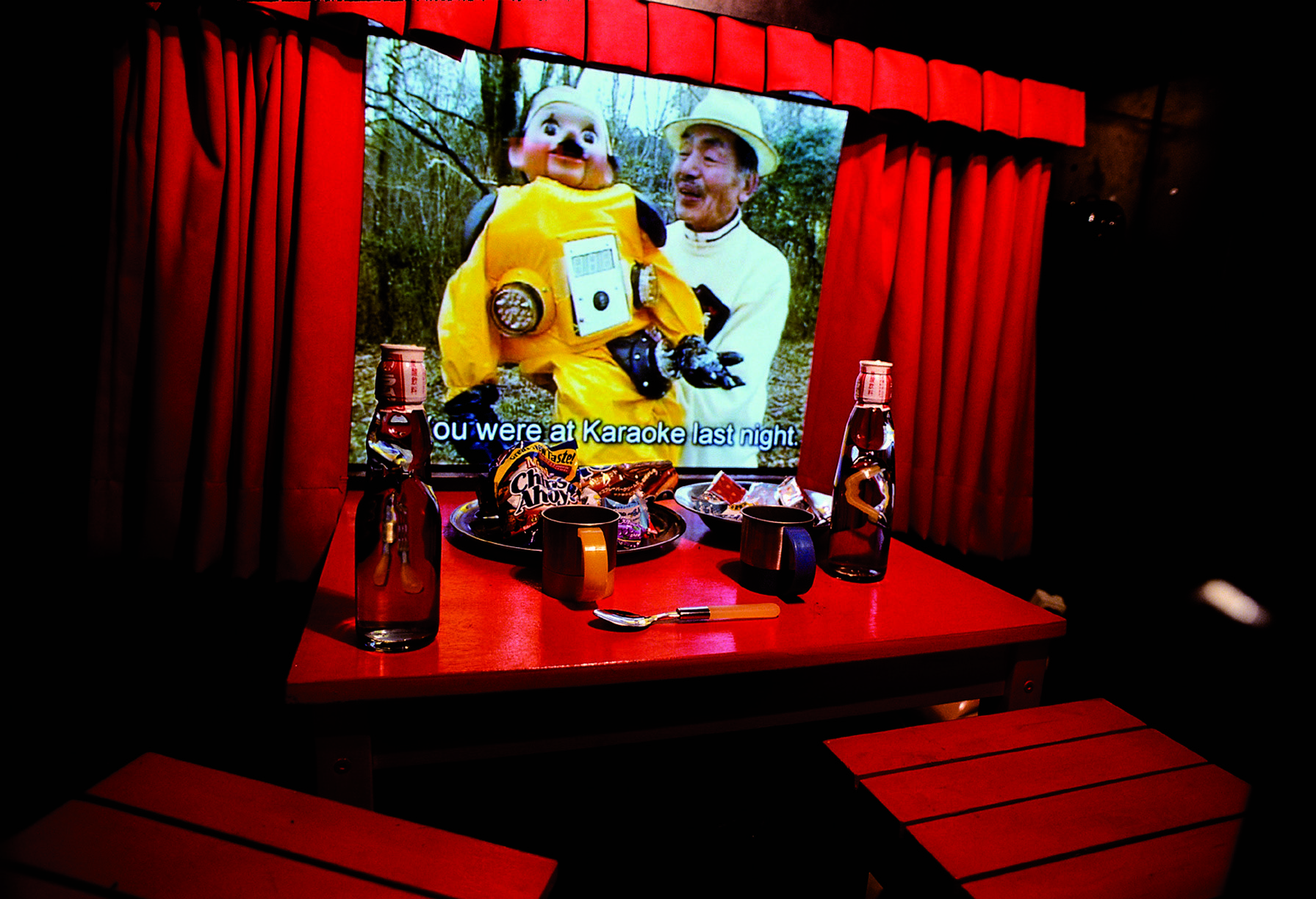
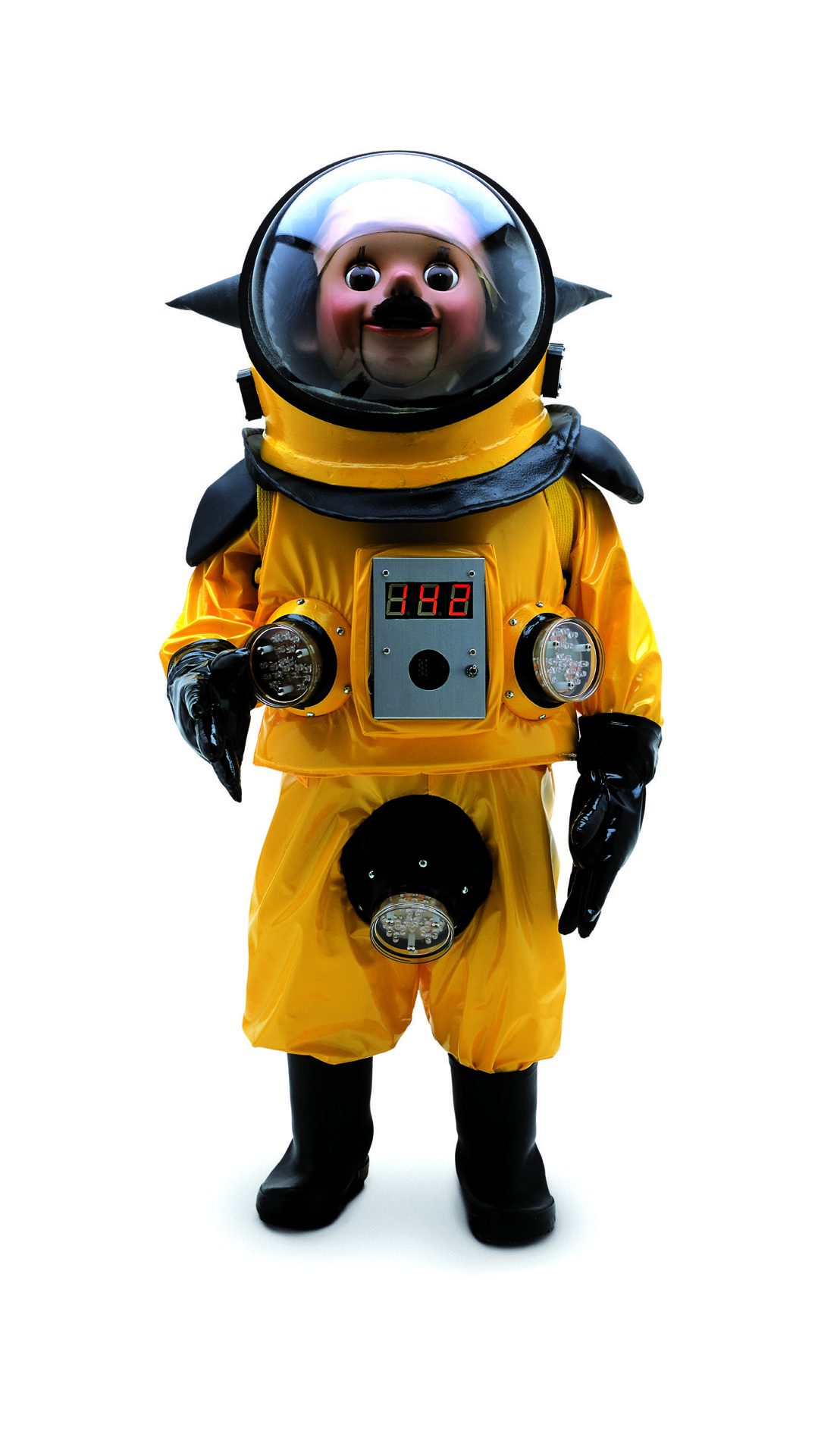
"Torayan", one of Yanobe Kenji's important works, appeared in his large-scale solo exhibition "Megalomania" at the National Museum of Art, Osaka in Expo Commemoration Park in 2003. The suit for "Torayan" was a child's version of the work "Atom Suit" that Yanobe created while exploring Chernobyl in 1997, called "Mini Atom Suit", and was born by chance from the idea of Yanobe's father, who was a skilled operator of ventriloquist dolls. Furthermore, "Forest Cinema" also functions as a shelter for surviving a nuclear war.
6
Yanobe Kenji Special Screening:
120 minute program
To understand the world of artist Kenji Yanobe, it is essential to understand the background of how his personal history intersected with the trends of the times, and where his stories originate. This time, we will be screening four videos.
①Taro, the Cat and the Sun (Taro Okamoto Memorial Museum version, 40 min.)
②Torayan's Great Adventure (20 minutes)
③Lucky Dragon's Story (10 minutes)
④The Secret Island of Space Cats (20 mins)
7
Find out the secrets of the space cat:
Stamp Rally and a New Pilgrimage
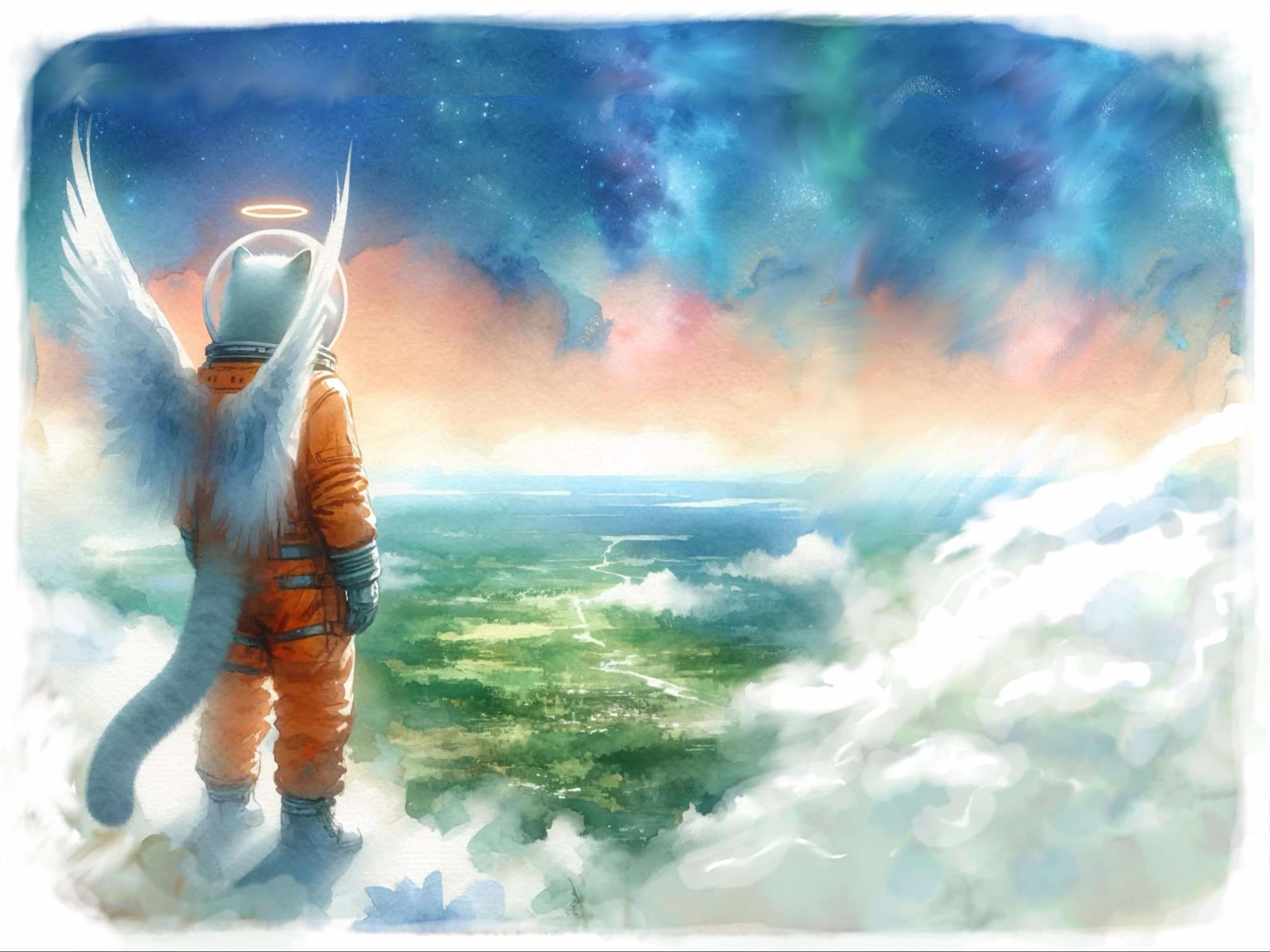
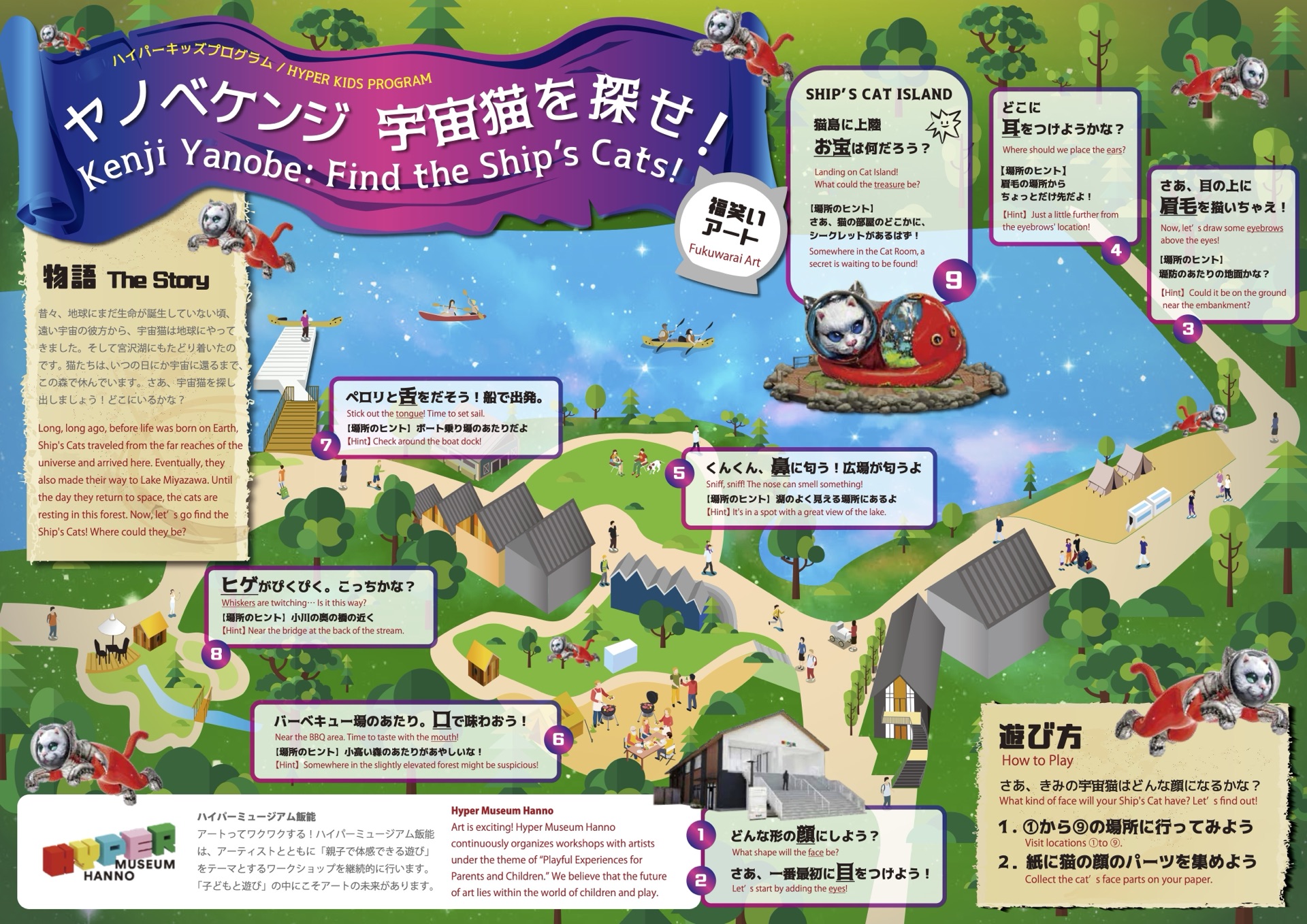
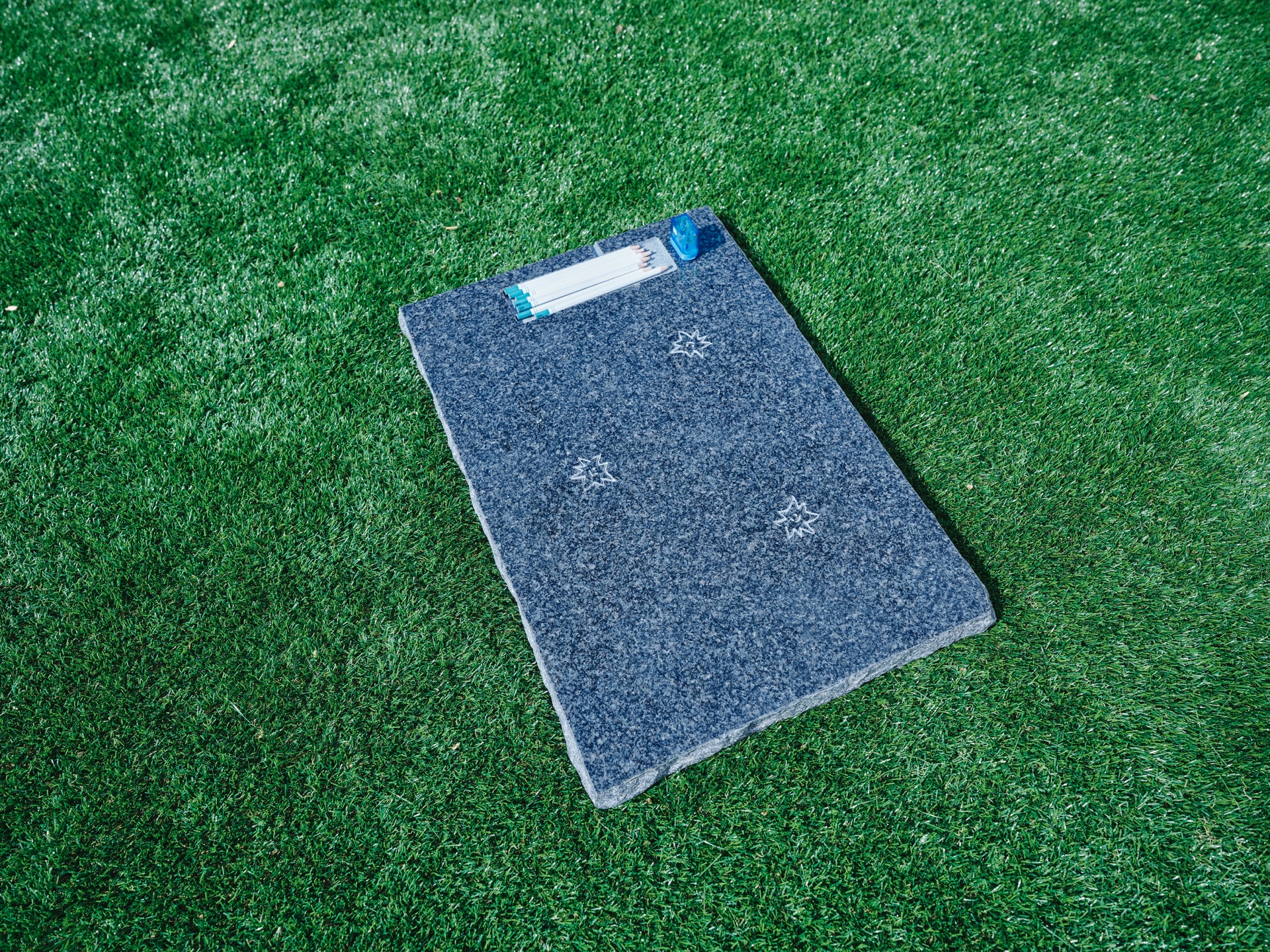
Hyper Museum Hanno considers the natural forest itself to be a museum, and has prepared a "Hyper Kids Program" full of fun for parents and children to enjoy together. Through a stamp rally where you can frottage "messages from space cats" engraved on stones in metsä forest, you will be invited to continue on the journey of the space cat.
8
NFT art project to return space cats to space:
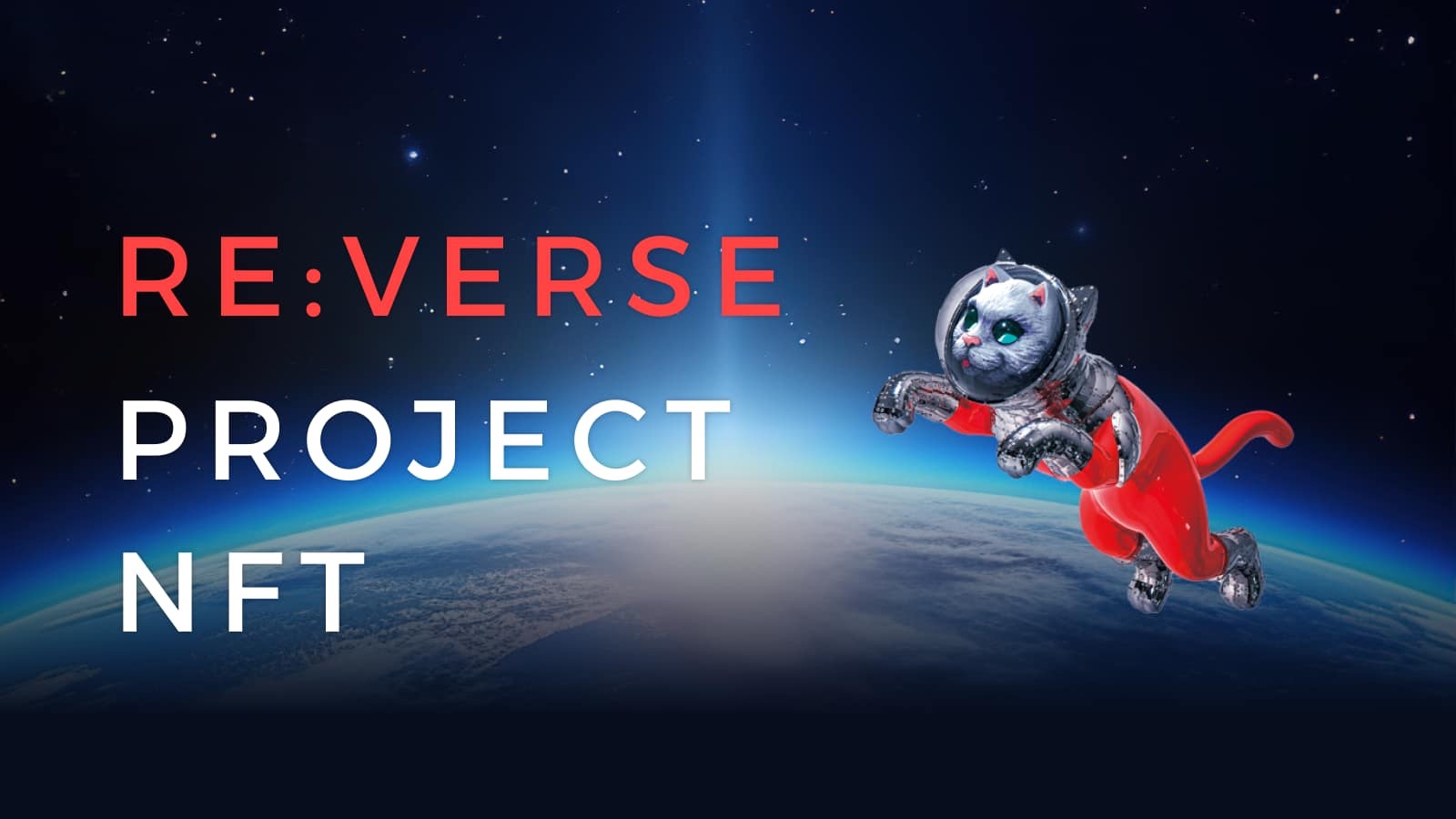
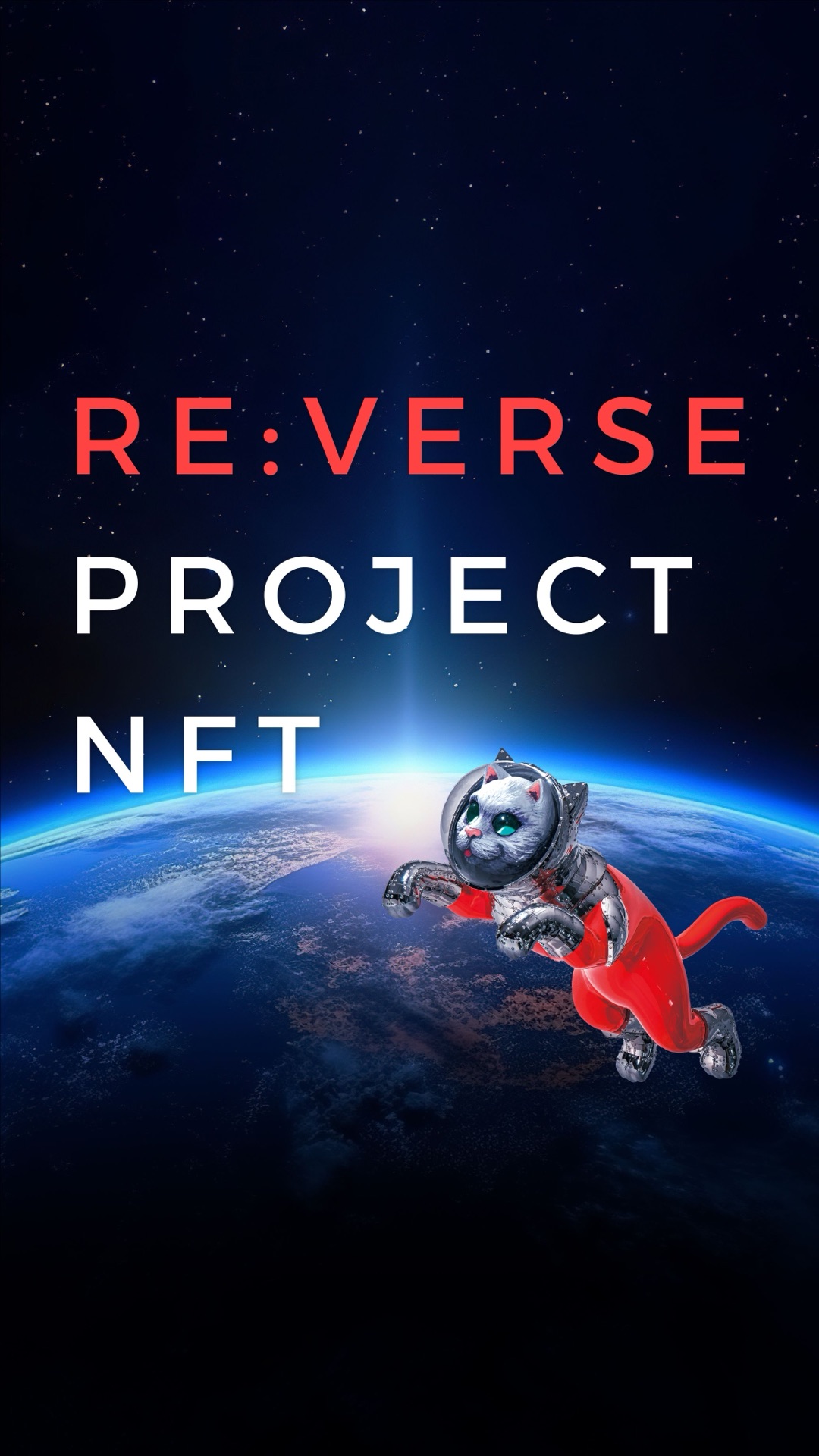
It's been decided! In the summer of 2025, we will launch into space from Oarai Beach in Ibaraki Prefecture.
Kenji Yanobe started the "SHIP'S CAT" series in 2017. Since then, Yanobe says he had dreamed that "this work would one day ride on a spaceship." "BIG CAT BANG" is the story of a space cat that came to Earth on a spaceship a long time ago. Yanobe's desire to complete the fantasy story of cats that could not return to space by returning them to space in reality became the art project. His dream is to watch the scene where the space cats fly beyond the stratosphere and look down on the Earth. He is also planning to exhibit the cats that have returned from space.
HYPER KIDS PROGRAM
Hyper Kids Program
Hyper Museum Hanno is a new development-type museum. We will be creating exhibitions in collaboration with artists. What kind of artists will appear in future exhibitions, and what are they planning?
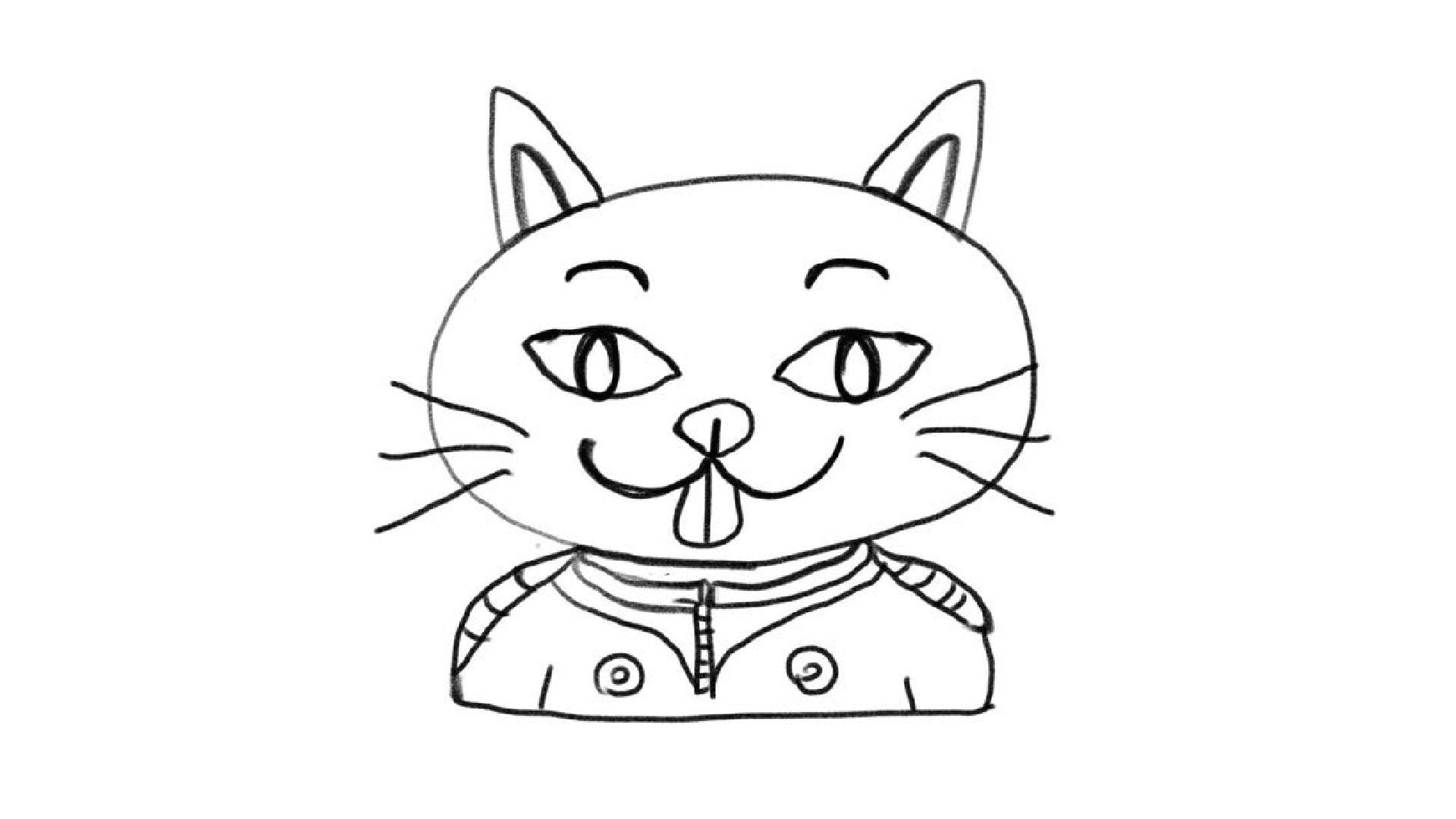
Hyper Museum Hanno will continue to hold workshops with artists on the theme of "Playing with Children". We hope to develop art programs that parents and children can experience together. The future of art lies in "playing with children". The first workshop will be "Find the Space Cat! Let's make Fukuwarai Art" by Kenji Yanobe. Let's frottage the eyes and mouths of the space cats carved into the stones scattered around the park to complete their faces!
METSA ART PROJECT 2025
metsä art project 2025
"Metsä" means "forest" in Finnish. Hyper Museum Hanno will be launching an art project with the theme of "nature and digital." The evolution of technology is increasingly removing the barriers between real and virtual, and new types of artists are emerging. They will turn not only the museum, but the entire forest into a museum.
For the first session, we will be producing "Let's go to the forest. Let's play with the Kotodama of plants, insects, and fish" by artist Keita Kojima, who has attracted worldwide attention for his AR works.
CHAT
The Secret Island of Space Cats /
Hidden Art History
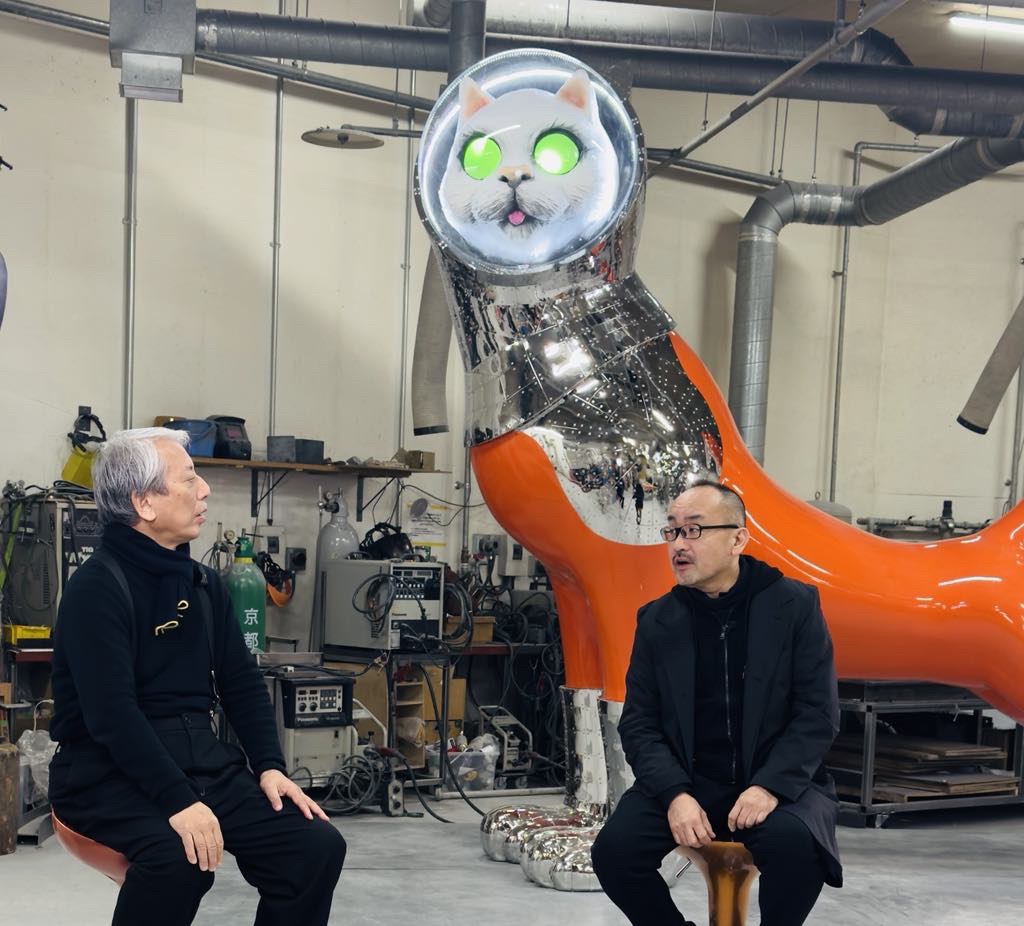
Kenji Yanobe ( artist) x Shigeo Goto (art producer)
1
Welcome to the secret island of space cats!
Goto : Hyper Museum is located in a forest adjacent to a lake, and aims to be a new kind of contemporary art museum unlike any other. For its opening exhibition, we planned Kenji Yanobe's "The Secret Island of the Space Cat." I think the first characteristic of this exhibition is that it is a side story to "BIG CAT BANG," which will be exhibited at GINZA SIX from April 2024 to around summer 2025. What kind of story has Mr. Yanobe set up for this exhibition?
Yanobe : First, I considered what form would be best to show something like a vision of the future of art museums at the Hyper Museum. I thought that in the Hyper Museum, or "transcendent art museum," exhibits that could only fit inside the building wouldn't be enough. Furthermore, when I saw the landscape with a lake in front of me during the site visit, I came up with the idea that it would be a unique exhibit if we created an artificial island in the shape of a cat on the lake. I wanted to create a place like Mont Saint-Michel in France, where many people could have fantastical images and have their imaginations stimulated. For the GINZA SIX exhibition, titled "BIG CAT BANG," I created an image of a cat from outer space bringing life to Earth and spreading it around. The title of the exhibition we will be holding at the Hyper Museum this time is "The Secret Island of the Space Cat." I think it will probably be an extension of the story of "BIG CAT BANG."
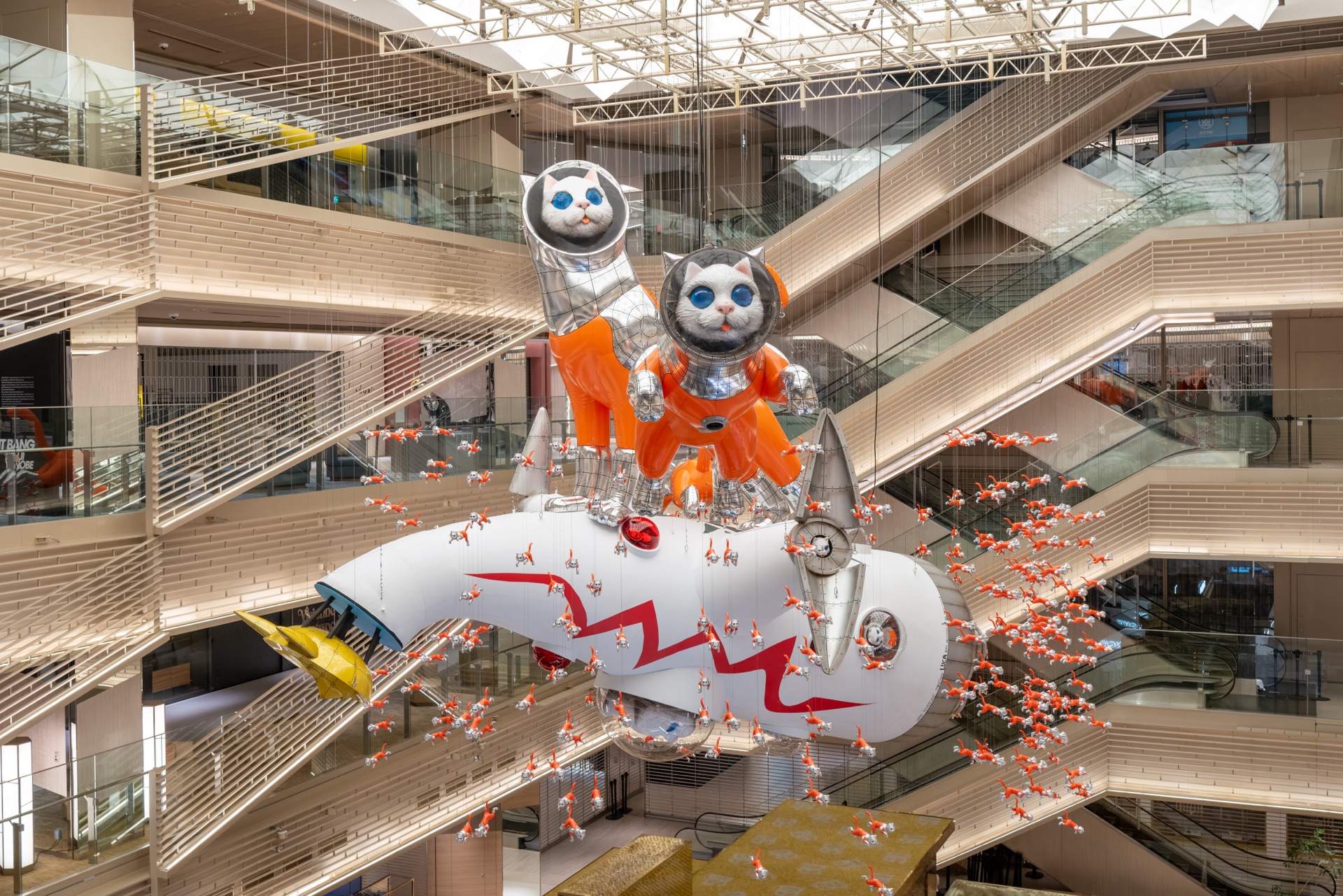
Goto : "BIG CAT BANG" inspires people to imagine all sorts of stories. When I talk with Yanobe-san, I find myself thinking about fan fiction-like stories, such as "the space cats must be hiding or living somewhere" or "maybe a cat-shaped spaceship has made an emergency landing." I also felt that the island floating in the lake has the power to evoke such stories. What kind of thoughts does Yanobe-san have about it?
Yanobe- As for "BIG CAT BANG", before I started the production, I saw something like an imaginative energy, like "a huge explosion spreading images" or "imagination exploding", not like Taro Okamoto's "Art is an explosion". From there, I came up with the idea for the installation and the accompanying story. Similarly, when I visited Lake Miyazawa and saw the environment, it was a very intuitive experience, but there was a moment when the image of an island where a giant cat sleeps came down to me. So there is not much logic to the story, concept, or connection with the cat.
As Goto-san said, "derivative," I also create stories by deriving them in a derivative way from ideas I have created. It is probably not just mine, but it also resides in the minds of the viewers and spreads. It is like an explosion of the imagination, triggered by something. And I myself am further influenced by that energy and create my own works.
2
Cat characters, AI, and the hidden history of art
Goto : Characters are sometimes described as mere symbols, aren't they? I think quite a few people feel the same way about Yanobe's cats. But in reality, I think the interesting thing is that cats possess a certain intelligence and move spontaneously. I think that's where the meaning of characters in art lies. And then there are many people who think of AI as something that gives intelligence to characters. AI itself is a product of human civilization, but there's a huge paradox to it. I think it's important to emphasize that both "BIG CAT BANG" and "The Secret Island of Space Cats" are expressed based on such theories of civilization. Considering that basis, I realized that "BIG CAT BANG" is "something that gave life to humankind." It's exciting to imagine that Yanobe is thinking about "what cats have brought to art" in this exhibition.
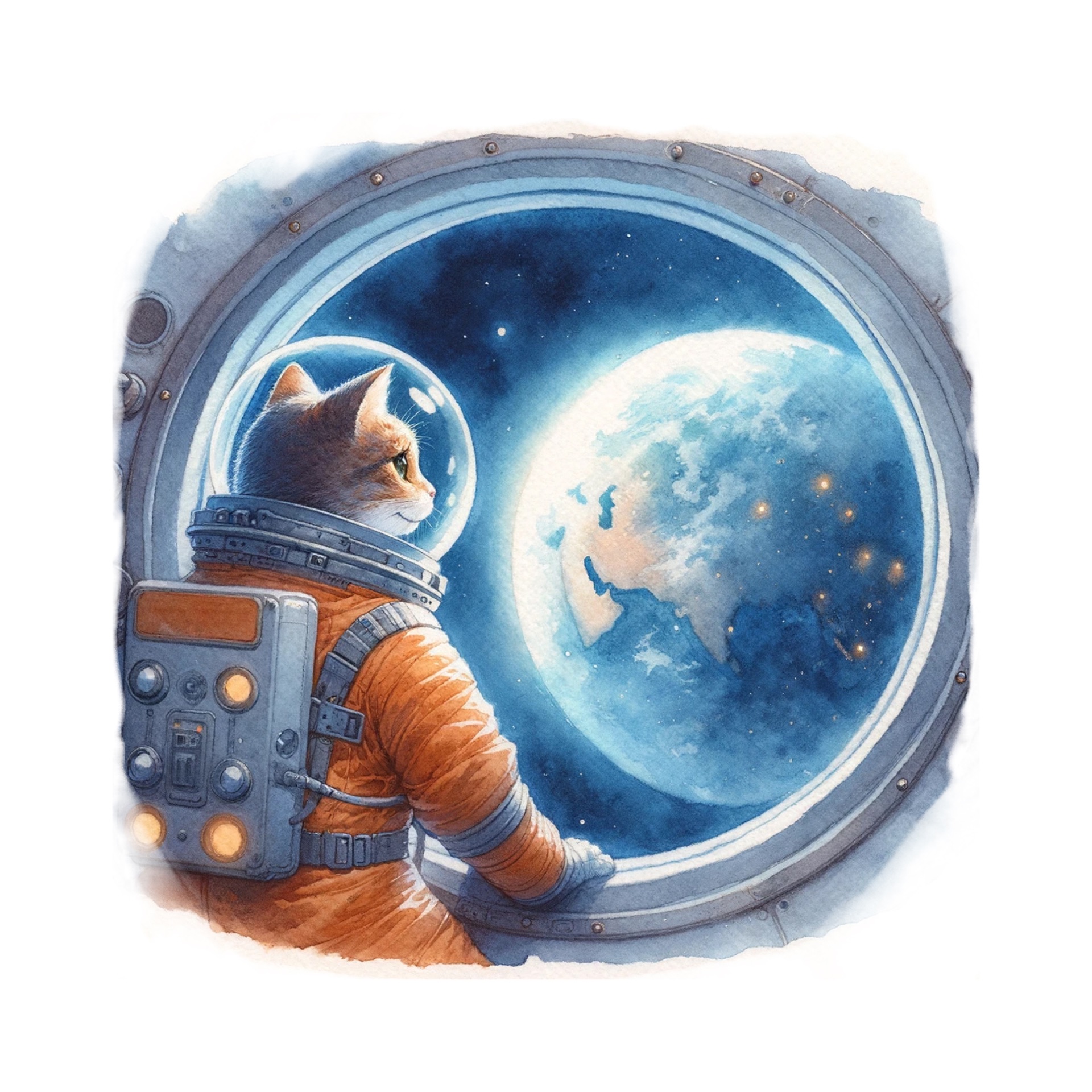
Yanobe : Since this is an exhibition at a facility that calls itself a museum, I thought it would be interesting, or rather, necessary, to connect it to the context of art. The island where the giant cat sleeps looks like a spaceship, and it also looks like a dwelling. There is space inside the island, and there are paintings that look like "cave paintings," which are positioned as the beginning of art. By connecting it to these "cave paintings," I came up with the story that "just as the space cat gave life to humankind, it also gave them intelligence, and thus humankind began to dabble in the beginnings of art." "Perhaps the flow of art was actually guided by the space cat." Lately, I've been using image generation AI to give shape to images a lot. In that process, I've also had the image generation AI create what kind of painting would be produced if the space cat were to create a work of art now, as if unraveling the history of art. As Mr. Goto said, the mechanism of AI itself is something that humankind created. However, if we consider that AI-generated data and paintings are "created by the collective intelligence of humanity," then it could be interpreted that they directly represent the intelligence of the space cat. Perhaps AI is moving beyond simply making work more efficient to a stage where it connects with human intelligence to create something new. With that in mind, this time we tried to connect art and culture, which is one aspect of human intelligence, with the space cat.
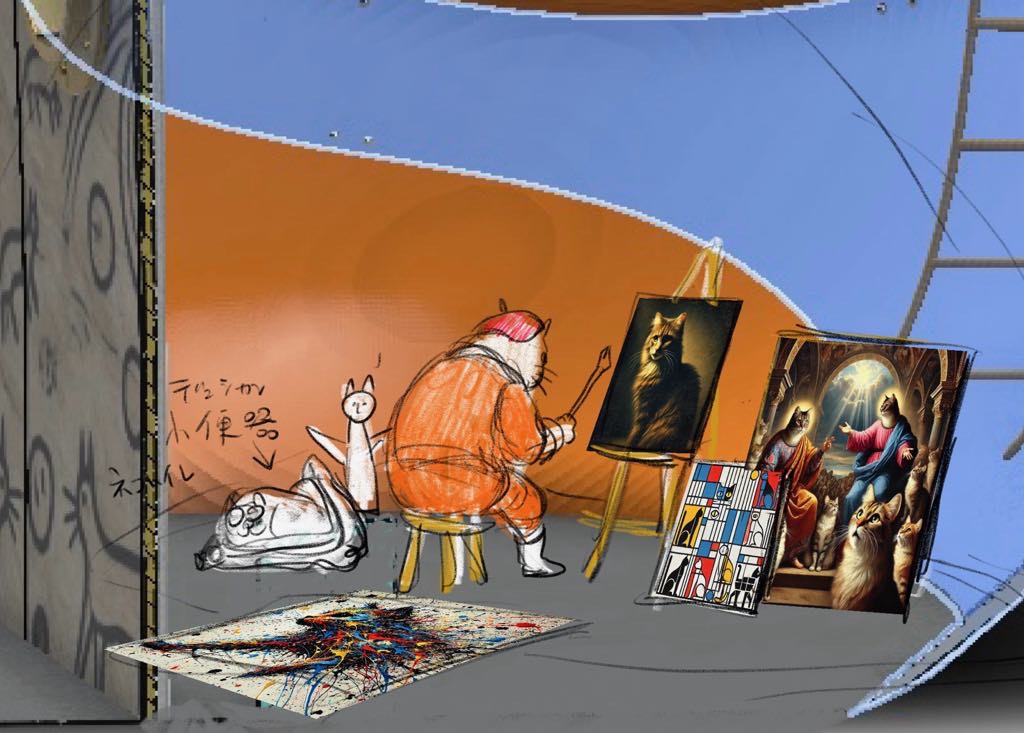
Goto : That's very interesting. On the island floating in the lake, you can see something like hidden art history in the cave paintings inside the sleeping cat sculpture.
Yanobe Cat Island is a place that can only be reached through a very physical effort. That's because you can't get there unless you row a boat and land there yourself. Once inside, you'll find cave paintings that seem like the origin of art. In the back room, there is an atelier that is like an art history drawn by a space cat, tracing the history of various styles of art. It is a space where you can see the production site, as if it were a restored exhibit in a museum. My story about this place is something like, "Actually, humanity learned to paint from the cave paintings left behind by space cats and has come this far. The cave paintings of Altamira are one example. They were also discovered at Lake Miyazawa and became a tourist attraction. Lots of people visit, and recently it has even become a glamping facility" (laughs). The original story, "BIG CAT BANG," has a message that "humanity is trying to destroy the Earth itself. Are we trying to threaten life?" and "Space Cat's Secret Island" is designed so that you can feel that message while enjoying the attraction. I believe that the important thing is to have an experience that you can only have by actually rowing a boat yourself, rather than just seeing it on your smartphone or online.
3
The backstory of the space cat. Crossing personal history and history
Goto : Next, I'd like to ask about the exhibits inside the Hyper Museum. I understand that the museum starts with a backstory-like section about cats. I feel that it's a very well-thought-out exhibit, where the times and Mr. Yanobe's personal history intersect.
Within the Yanobe Museum, there are sections that tell the story of Cat Island, or the story of "BIG CAT BANG." At the same time, I want to look back on the nearly 35 years since my debut as an artist in 1990 and connect the process that led me to where I am today. In particular, I intend to focus on the character "Torayan," created in 2004, and "Lucky Dragon," which I created in 2009. By showcasing these two, I have created a system that will strongly convey the underlying themes that run through the development of the "SHIP'S CAT" series, including "BIG CAT BANG."
Goto- My idea for the Hyper Museum was that it would be a small museum, but it would be nice to create a physical space in the forest as a contemporary art museum. That's why it's so impressive that "Blue Forest Cinema" is being exhibited. The "Forest Cinema" series, including "Blue Forest Cinema," also functions as a nuclear shelter. I felt that this contains Yanobe's experience of Chernobyl as he transformed from survival to revival. I would like the audience to know that there is such a hint.
On the surface, many people may think that this is a story about cute cats flying around. However, it is also very much about civilization, and since the works on display are ones that were created by artists who crossed paths with their contemporaries, I think it is a worthwhile exhibition. I think that such a method of crossing personal history and the era is a characteristic of Yanobe's work, but what do you think about it?
Yanobe- I was born in 1965 and grew up immersed in the culture of the 70s and end-of-the-century ideas. For example, there was a subculture based on the Nostradamus prophecy that "humanity will be destroyed at the end of the century." At the same time, I set the issues that we as Japanese people and as human beings must face, especially the nuclear issue, as my theme at a fairly early stage. That's why I went to the ruins of Chernobyl in 1997, and I've continued to develop works with nuclear themes ever since.
I think that a work is a piece created based on an aesthetic sense. However, at the same time, I also think that I need to think about how to relate to society in that era and how to change it, and create a functional expression. That means developing my work while touching on social issues and history. The stories of my works have changed dramatically due to various events such as the nuclear issue including the Chernobyl accident, the Tokyo subway sarin gas attack, the Great Hanshin-Awaji Earthquake, the Great East Japan Earthquake, and the nuclear accident. I thought about how I, who used various imaginations in the stories of subculture, could live in a real story. So, rather than creating individual works of art, I adopted a system from an early stage of creating works as if I were shooting a movie of my life. I have been drawing stories from the perspective of how I view what humanity has done as a Japanese person or as a human being on Earth. Recently, I have been having cat characters tell the stories, but a while ago I had "Torayan" tell the stories. We believe that by exhibiting previous works such as "Torayan" and "Lucky Dragon" that "Torayan" rides, we will be able to see the axis.
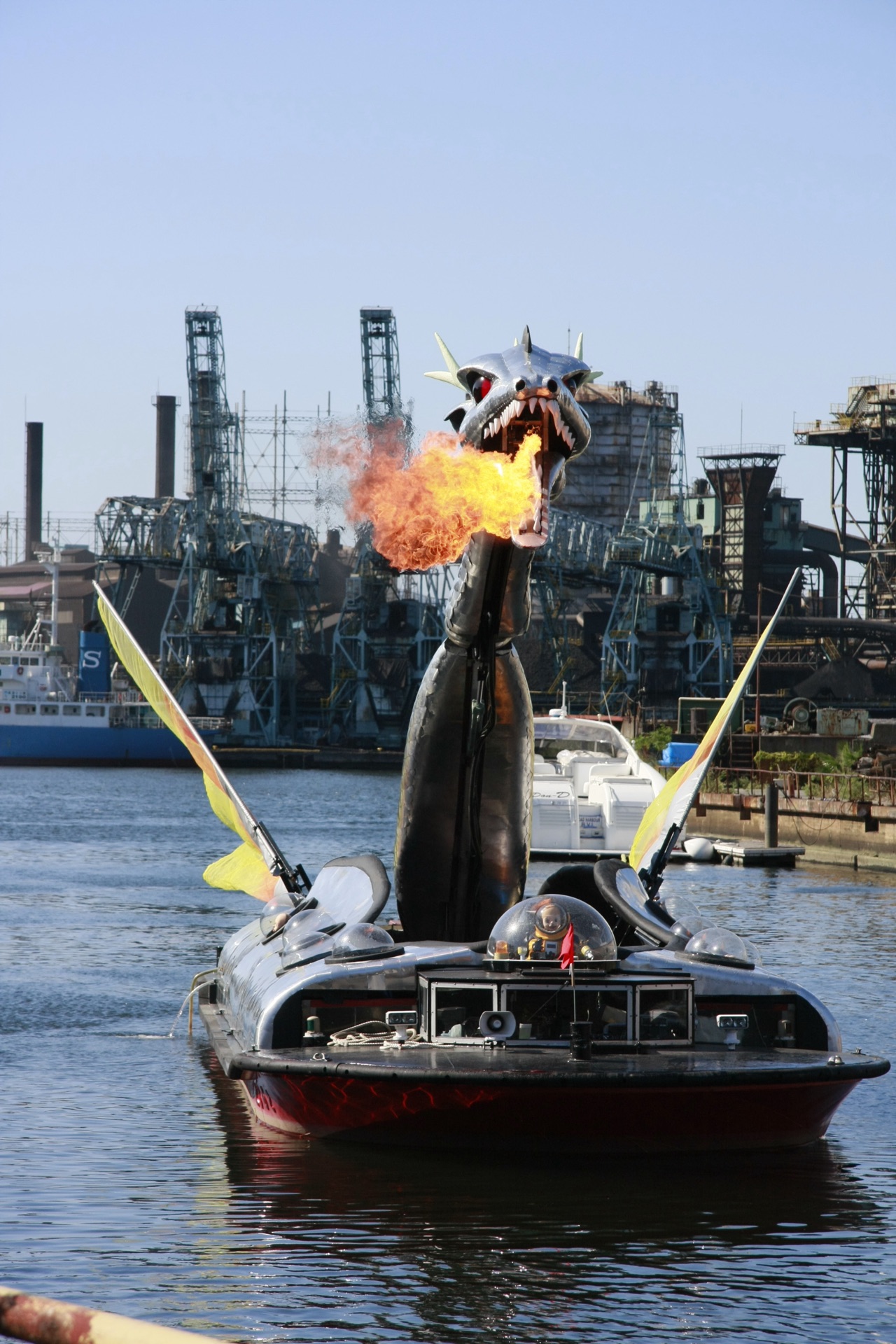
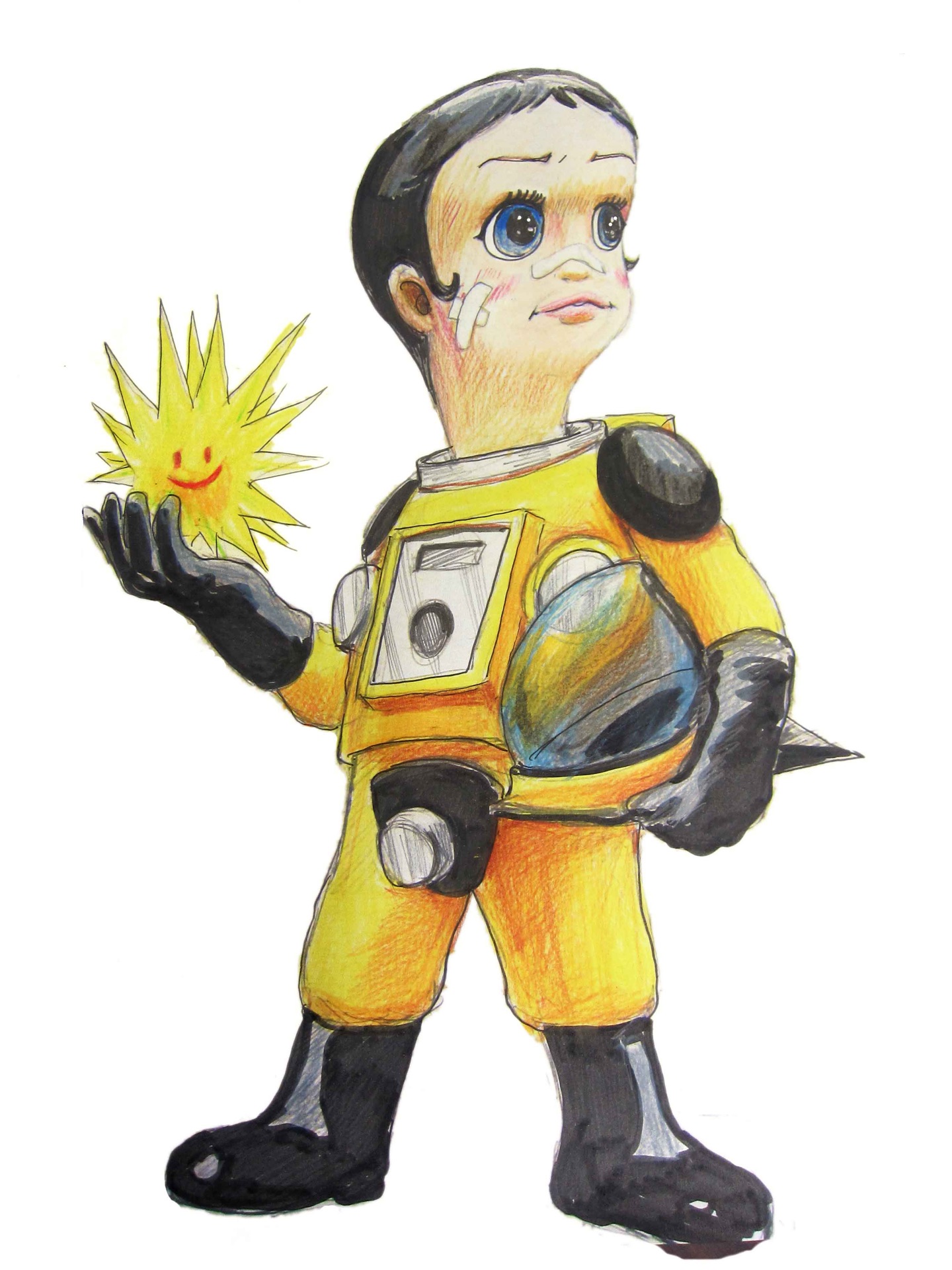
The first time "Torayan" was created in a work was in "Forest Cinema" which was produced in 2004. That's where the story of "Torayan" began. In the meantime, while I was creating "Giant Torayan" and the elephant in "Blue Forest Cinema", I created a mechanism in which the characters in the story were connected to the real world and the whole story was visible in the picture book "Torayan's Great Adventure". "Torayan's Great Adventure" is a story about "Torayan" finding a small sun and going on an adventure with many friends to return the sun to the sun in space. As I wrote in the afterword of the picture book, the origin is a story that "derived from a picture of a small sun found at a nursery school in Chernobyl in 1997, and regaining hope". By connecting with that, it is a form that goes back and forth between reality and fiction. The sculpture of "Torayan" and his friends on a boat that appears at the end of the picture book became the conceptual model of "Lucky Dragon".
4
The appearance of the lucky dragon and the space cat
Goto : "Lucky Dragon" is also a symbol of catastrophe. The fact that it's named "Lucky Dragon," which is very positive despite being based on the Daigo Fukuryu Maru, is very important. I believe that turning misfortune into fortune is one of the important missions of art.
Yanobe- The Lucky Dragon No.2004, the theme of "Lucky Dragon," is a Japanese fishing boat that was covered in the fallout from a hydrogen bomb test at Bikini Atoll. It is on display at the Tokyo Metropolitan Lucky Dragon Exhibition Hall in Yumenoshima, Tokyo, and I actually had the opportunity to exhibit there in 2003. In 2004, I held a solo exhibition called "MEGALOMANIA," which was a kind of culmination of my work. At that time, a curator at the Tokyo Metropolitan Lucky Dragon Exhibition Hall was there and said, "I would like you to exhibit Yanobe's work in the exhibition room of the Lucky Dragon No.XNUMX." However, I felt that I had not created a work strong enough to be placed next to the historical testimony ship that is the Lucky Dragon No.XNUMX, so I declined. But after that, I continued to worry about my own inadequacy for having no choice but to decline, and the fact that I had not been able to create or imagine such a thing. After that, my father's ventriloquist doll "Torayan" and the work "Forest Cinema," which left a message for people to live safely in the future, were connected. So I felt that I had made a work that was in a slightly different phase from the works I had made up until then with the theme of "survival," such as the "Atom Suit." I thought, "Maybe this work could be placed next to the Lucky Dragon No. XNUMX." That's how I ended up exhibiting "Forest Cinema" in the exhibition room of the Lucky Dragon No. XNUMX in XNUMX.
I then created a concept model called "Lucky Dragon" named after the Daigo Fukuryu Maru. This concept model was transformed into the work "Lucky Dragon," a giant dragon ship that spews fire and water, at an art event called "Suido Osaka" in 2009. I created this work from my desire to once again reinvent the Daigo Fukuryu Maru as a mass of hope in the imagination, since it will never again run on water. I feel that there is a connection here too, as Torayan jumped aboard the Daigo Fukuryu Maru during an exhibition at the Daigo Fukuryu Maru Exhibition Hall in 2004, which may have allowed me to depict it as the "Lucky Dragon."
This "Lucky Dragon" was also exhibited at the Fukushima Prefectural Museum of Art in 2010. The Fukushima Prefectural Museum of Art's collection includes "Lucky Dragon" by the American painter Ben Shahn. This is one of the "Lucky Dragon" series, and is a work that depicts a portrait of Aikichi Kuboyama, a victim of the Daigo Fukuryu Maru incident, just before he died. The curator said, "Yanobe's "Lucky Dragon" is connected to this work by Ben Shahn, so I would like to show them together." At that point, of course, I didn't think that the Great East Japan Earthquake would occur the following year. "Lucky Dragon" synchronized with the real times in this way, and it also led to the creation of "Sun Child."
I recall that cats first appeared in Goto -Yanobe's works around 2017. These cats feel a little different from the characters Yanobe had created before, such as "Torayan" and "Lucky Dragon." The Fifth Fukuryu Maru is a ship, so I'm sure there's some association with that, but the "SHIP'S CATs" are traveling on a ship, aren't they? I feel like they are beings that are at a distance, objectively watching over humans and asking, "What will you do?" It feels like the appearance of these very mysterious cats in Yanobe's stories is really starting to move things forward.
Yanobe- The cat character first appeared in a play by the theater company "Papā Tarahumara" in 2008, which I was in charge of performing arts. However, I still don't know who the cat is. Or rather, I don't want to make any assumptions about who it is. Although the work is a work, many viewers take it as something that concerns them. In the case of the space cat, let's say the work is connected to the story that "a cat from space brought life to Earth and helped it survive. When its mission was over, the original space cat died. Perhaps the survivor is the cat we have today." In that case, for example, people who have a cat might think, "My cat spends his time meowing, but in fact this cat is what kept us alive." It is not so much my creation, but a medium that inspires people's hearts. It is a very rich way of being a work. So with regards to the cats I create, rather than seeing them as my own, I want them to remain as beings that stimulate people's imaginations, and so I want to proceed fairly carefully.
Also, in the "Torayan" series, "Lucky Dragon" and "Atom Suit" that I have produced so far, I have developed works that are linked to real events. I did not expect this, but there were parts of these works that were like prophecies. I feel that because of their realism, there were some parts that were difficult for the viewers to accept. In comparison, I think cats can be accepted in a richer way.
5
When the Space Cat Returns to Space
Goto -Yanobe-san is also participating in the "NFT Art Project" run by the technologist group "Yumemi." It's a project called "Returning the Space Cat to Space," where the idea is to "return a cat that came to space as a guardian deity of a spaceship back to space together." When they put out a call for NFT-equipped cat figurines on the CAMPFIRE platform, they sold out in just one day. I feel that this wasn't simply because the art was sold, but because empathy for the story of the space cat spread among many people. Behind Yanobe-san's work is anxieties about the future of human culture. I personally think that there is a need for an objective perspective on such things, and that some people subconsciously felt that the cat was making a prophecy about that.
Yanobe : In the "Returning the Space Cat to Space" project, just like with "BIG CAT BANG," I wanted people to think about Earth, humanity, and life from a bird's-eye view. To shift perspectives, I wanted to launch a cat into actual space and use that to drive the story. I've been thinking about this since I started producing the "SHIP'S CAT" series in 2017. Furthermore, regarding having a bird's-eye view from space, I've been thinking about this since I was working on the "Atom Suit Project," a project to go to Chernobyl. In the case of the "Atom Suit," I wasn't the one wearing it; the idea was to create an alien with eyes that looked like they were on Earth. In fact, I've always had the same theme of "we should acquire a bird's-eye view," so the "Returning the Space Cat to Space" project is a consistent theme. However, my previous works were too realistic, so I couldn't quite connect the expression to that point. With the appearance of the space cat, I was able to deliver a more straightforward expression.
6
The start of another pilgrimage. And playing with the kids.
Goto : This is purely speculation from a viewer's perspective, but I imagine the space cats scattered all over the Earth, each playing out their own drama. As if to demonstrate this, Yanobe's cat sculptures are rapidly increasing in number all over Japan as public art. People may outwardly go to see them with the motivation of appreciating contemporary art, but the underlying impulse is very interesting. I feel that these sculptures invite people on a pilgrimage by sharing the story of the cats. They've appeared at the Nakanoshima Museum of Art in Osaka, at the Taro Okamoto Memorial Museum, and at Kiyomizu-dera Temple. And now they're appearing at the Hyper Museum. Do you also have these visions in mind, Yanobe?
Yanobe : Well, that sounds like a dream. As for the space cat story, I don't feel like I created it because I'm particularly talented. However, I do feel that something I created, given a role by a greater force, has been received and connected to the world today. As a result, it may have ended up taking the form of a pilgrimage to various places, but I don't have the ability or confidence to say that I "want to do it," and in fact, I feel it would be presumptuous of me to do so.
Goto : At Hyper Museum, I emphasize the natural and digital trends, but I also believe that "children and playfulness" are extremely important. The world is becoming increasingly serious these days. But children will start playing with whatever is there, whether it's a battlefield or a disaster area. I think that's a huge source of energy for art, and perhaps its origin. In the future, we would like to continue the "Hyper Kids Program" at Hyper Museum, where we propose new ways to play together with artists. You mentioned that Cat Island is a "physically immersive exhibit," and we are also developing ideas for the "Hyper Kids Program," such as a stamp rally through the forest. I thought that Mr. Yanobe also emphasizes a child's perspective, is that correct?
Yanobe- I myself don't really think about things for children. Rather, I feel that I should remain more childlike in my thinking than anyone else. So, one of the ways I judge the quality of my work is to ask myself, "What would excite me as a child?" so that the child inside me can continue to play forever. This time, too, my truly childish idea of "Wouldn't it be fun if there was a big cat island floating on a lake and we could reach it by boat?" became a reality with the help of the people around me.
As for the stamp rally, there was a request to have people experience the fun of the stamp rally itself and the fun of walking through the forest. I thought, "Instead of just stamping normally or playing digitally using AR, why not make it more physical?" So I came up with the idea of "frottage," which is a simple idea in which an image appears when you rub paper on a bumpy surface. The parts of a space cat's face are engraved in various places, and you can create a space cat by holding a piece of paper and rubbing the eyes, nose, mouth, and ears to collect them. With frottage, even people who can't draw can make their own original, interesting cat face by collecting the images. If children can enjoy the process of creating an image through this stamp rally as if they were playing, I think it might lead to research on the "beginning of art" in art cognition and comparative cognition.
At first glance, my work may seem optimistic and hopeful, but in reality, I despair about the reality of the world. For example, it is believed that after the "Big Five" mass extinction of living things, human beings will be the trigger. However, if we do not simply present such tragic situations, but do not express something like hope as art, we will not be able to move forward. I may not be the one to say this, but even if it seems that I am not facing reality, there is despair at the root of my work. I had the same feeling when I created the work "Sun Child" in 2011. At that time, the nuclear issue, which I myself have been working on as a theme, became a reality. I think that the hearts of Japanese people were completely shattered at that time. I had been advocating the nuclear issue until then, but I felt completely powerless, and there was despair about my own expression and reality. Nevertheless, I thought that I had to muster up and share my positive and bright energy with many people, so I created a statue of a child that was so positive that it was embarrassing. I still have similar feelings, and I create my works by mustering up the energy in despair.
Goto : That's important. Everything starts from despair, and hope only exists after despair. It's because of despair that we create cats that give humans a cosmic perspective that they themselves cannot see.
Yanobe : I'm taking a pretty sophisticated contrarian approach, but nobody seems to understand it (laughs). But I also think that if the work isn't interesting or preachy, it's no good.
Goto : I completely agree. Ultimately, the best strategy against despair is laughter, isn't it? I think only art can achieve that.
Dialogue structure: Minori Shimazaki