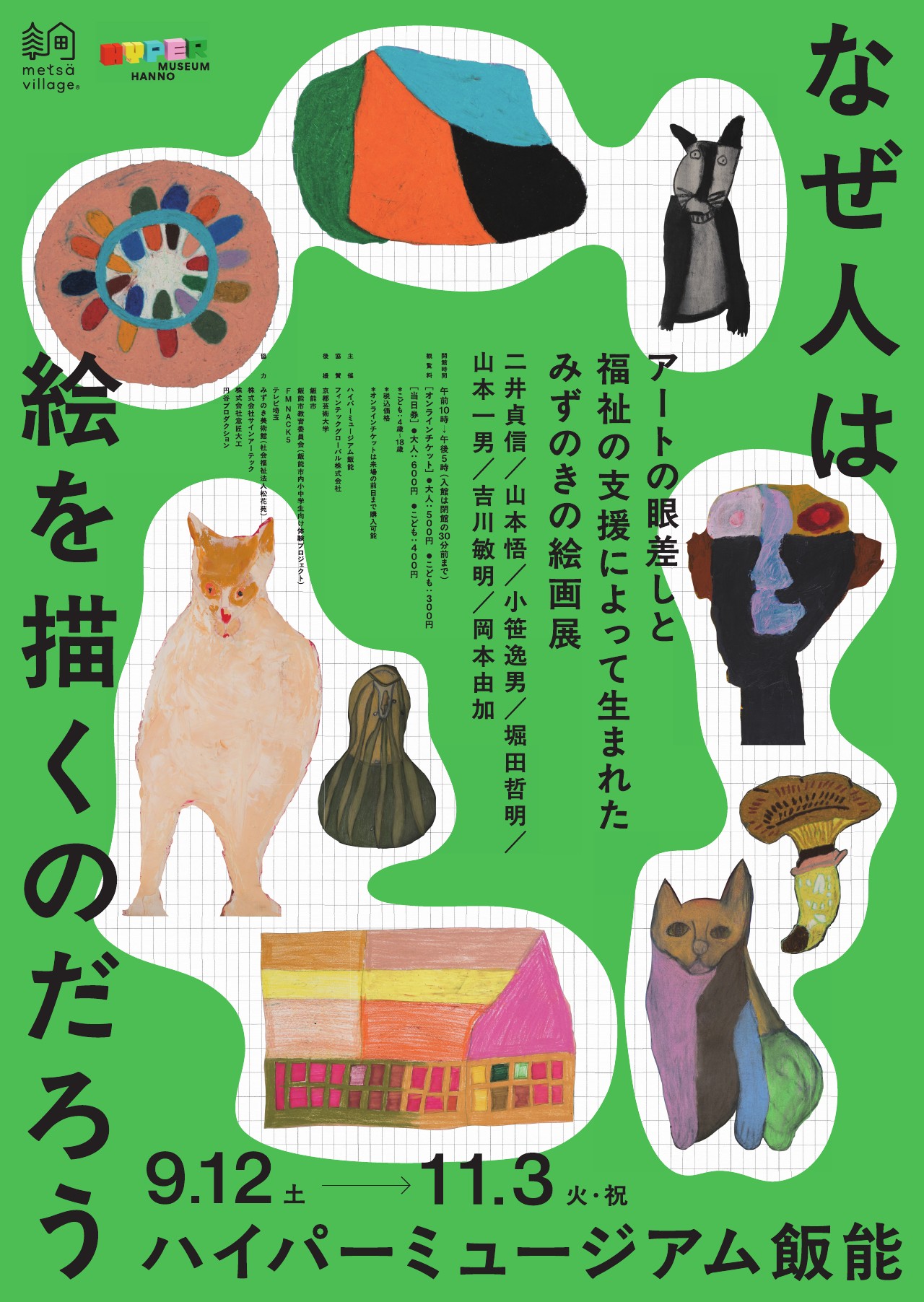
Why do people paint?
The gaze of art and
Born with welfare support
Mizunoki Painting Exhibition
2026. 9.12 (Sat) - 2026. 11.3 (Tue/Holiday)
Opening hours | 10:00 - 17:00 (Entry is permitted until 30 minutes before closing time)
Organized by | Hyper Museum Hanno
Sponsored by FinTech Global Incorporated
Sponsored by: Kyoto University of the Arts, Hannō City, Hannō City Board of Education (experiential project for elementary and junior high school students in Hannō City), FM NACK5, TV Saitama
Cooperation | Mizunoki Museum (Shokaen Social Welfare Corporation), Sign Artec Co., Ltd., Design Carpenter Co., Ltd., Tsuburaya Productions Inc.
*Same-day tickets are sold at the museum ticket booth (sales hours: 10:00 - 16:30)
MESSAGE
Why do people paint?
Mizunoki, a residential facility for people with intellectual disabilities located in Kameoka, Kyoto, is a pioneer in providing art education to its residents since 1964, under the guidance of Japanese painter Chuichi Nishigaki (1912-2000).
In 1994, the Art Brut Collection, a municipal museum in Lausanne, Switzerland, opened with a donation of works collected by the world-renowned contemporary artist Jean Dubuffet. This museum became the first in Asia to house a collection of 32 works by six artists.
For this exhibition, we have selected seven artists from the Mizunoki Painting School and will create our own unique curation.
The exhibition features works by artists such as Tetsuaki Hotta, who has persistently painted "houses" for approximately 35 years; Itsuro Kozasa, a founding member of the art class who has continued to paint cats, animals, and people; Satoru Yamamoto, who has continued to paint Ultraman characters; and Sadayoshi Nii, who has painted adorable plant and stone motifs. We have gathered together a collection of energetic works full of highlights, and we would like to share with you the question, "Why do people paint?"
This year also marks the 50th anniversary of the "Art Brut Collection" in Lausanne, Switzerland.
Contemporary art is often perceived as difficult to understand, but please come and experience the astonishing use of color and form by the artists at Mizunoki!
The seven artists of Mizunoki Painting Class
Sadanobu Nii(1917-1988)
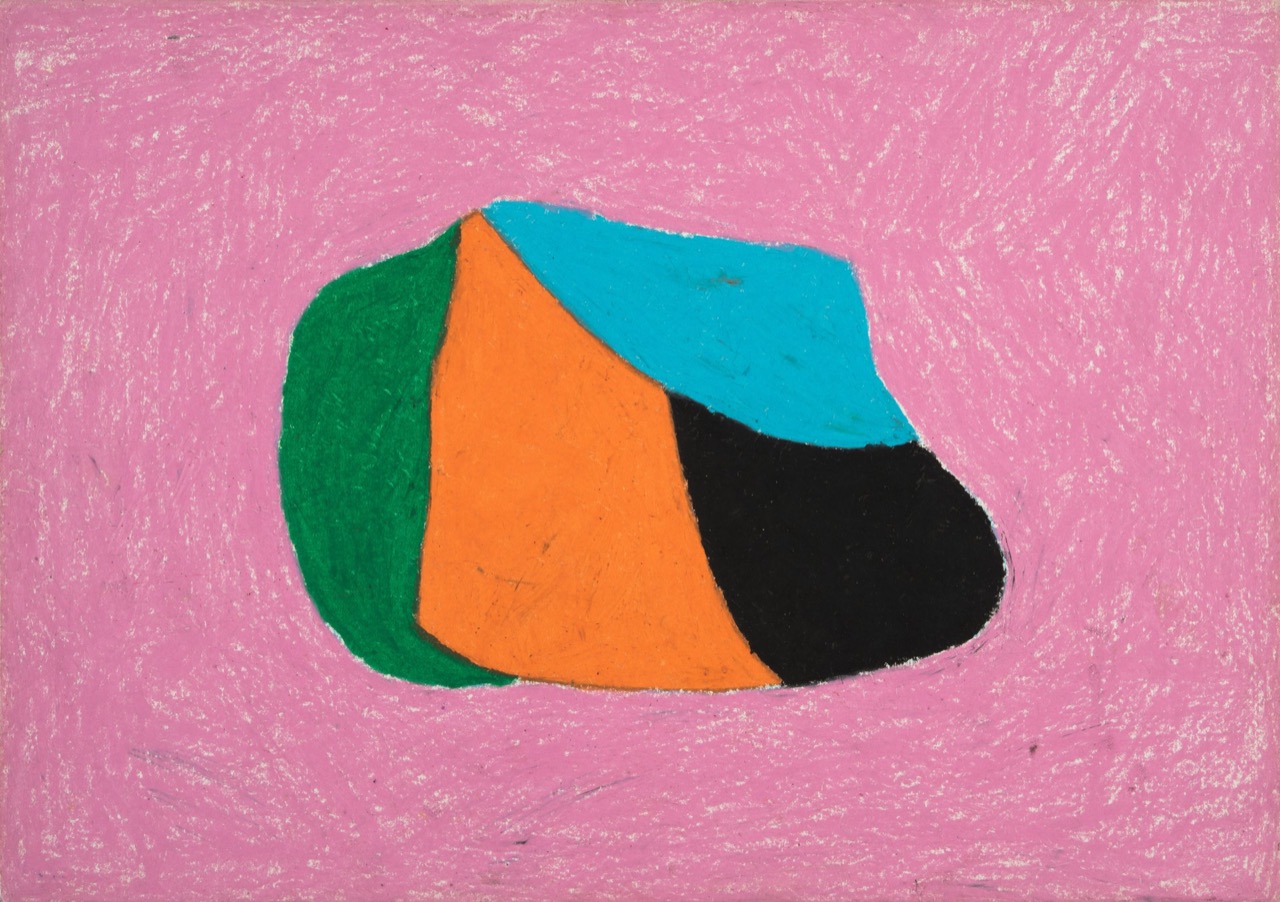
He was conscripted during the war and is believed to have developed a mental illness or brain dysfunction due to the extreme conditions of combat and malaria infection. He painted familiar objects such as trees and stones, and it is thought that he used oak trees and the stone walls of the facility as subjects. He was always smiling and was said to be as kind as Ebisu (the god of fortune).
Satoru Yamamoto(1948-2021)
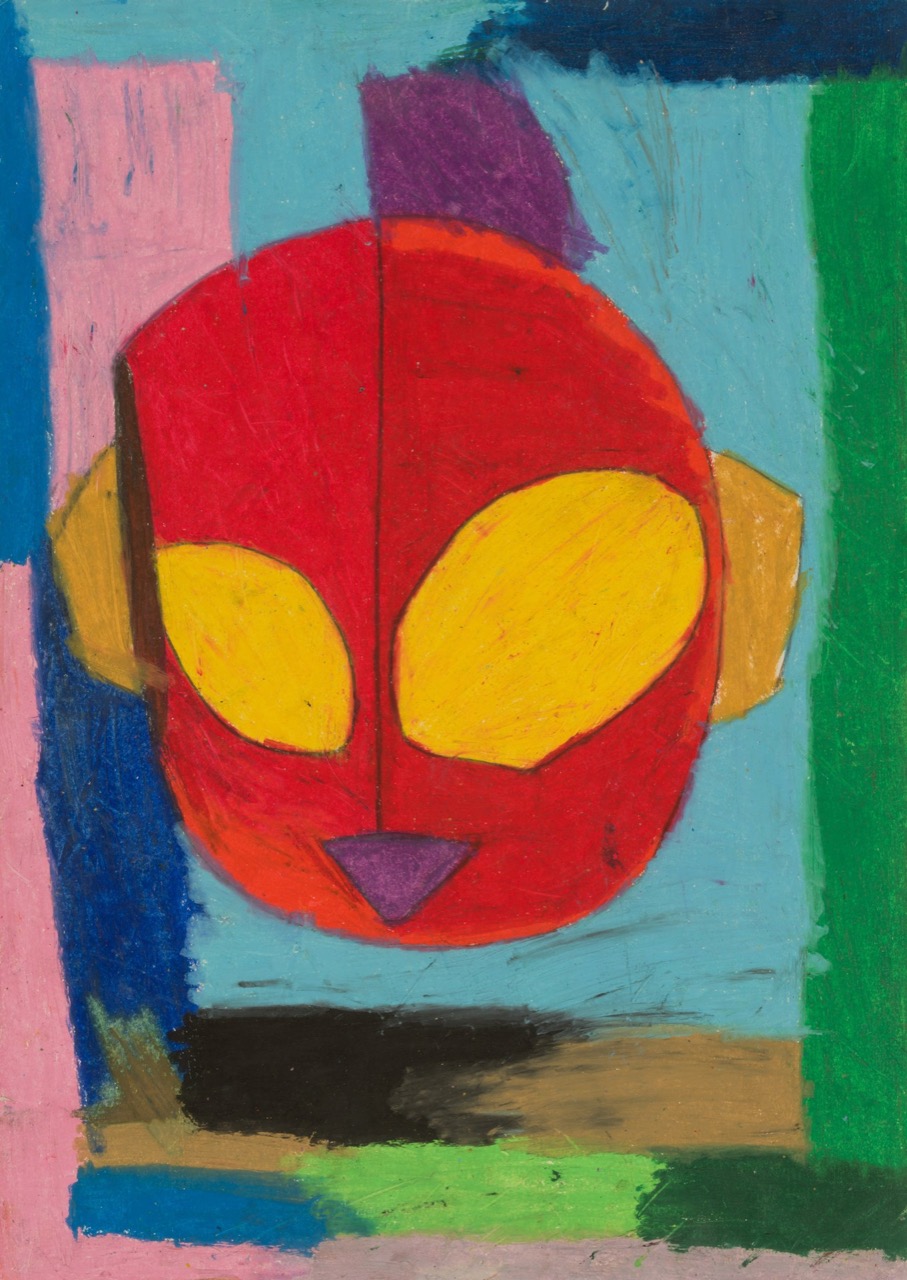
He displayed a leader-like personality both in the classroom and within the facility. He chose brand-new crayons, wiped away any smudges after each color, and preferred flawless colors. The boldly divided areas of color were intense and bright, radiating a unique beauty. In addition to his favorite Ultraman, he repeatedly drew houses and circles.
Itsutoshi Ozasa(1924-2012)
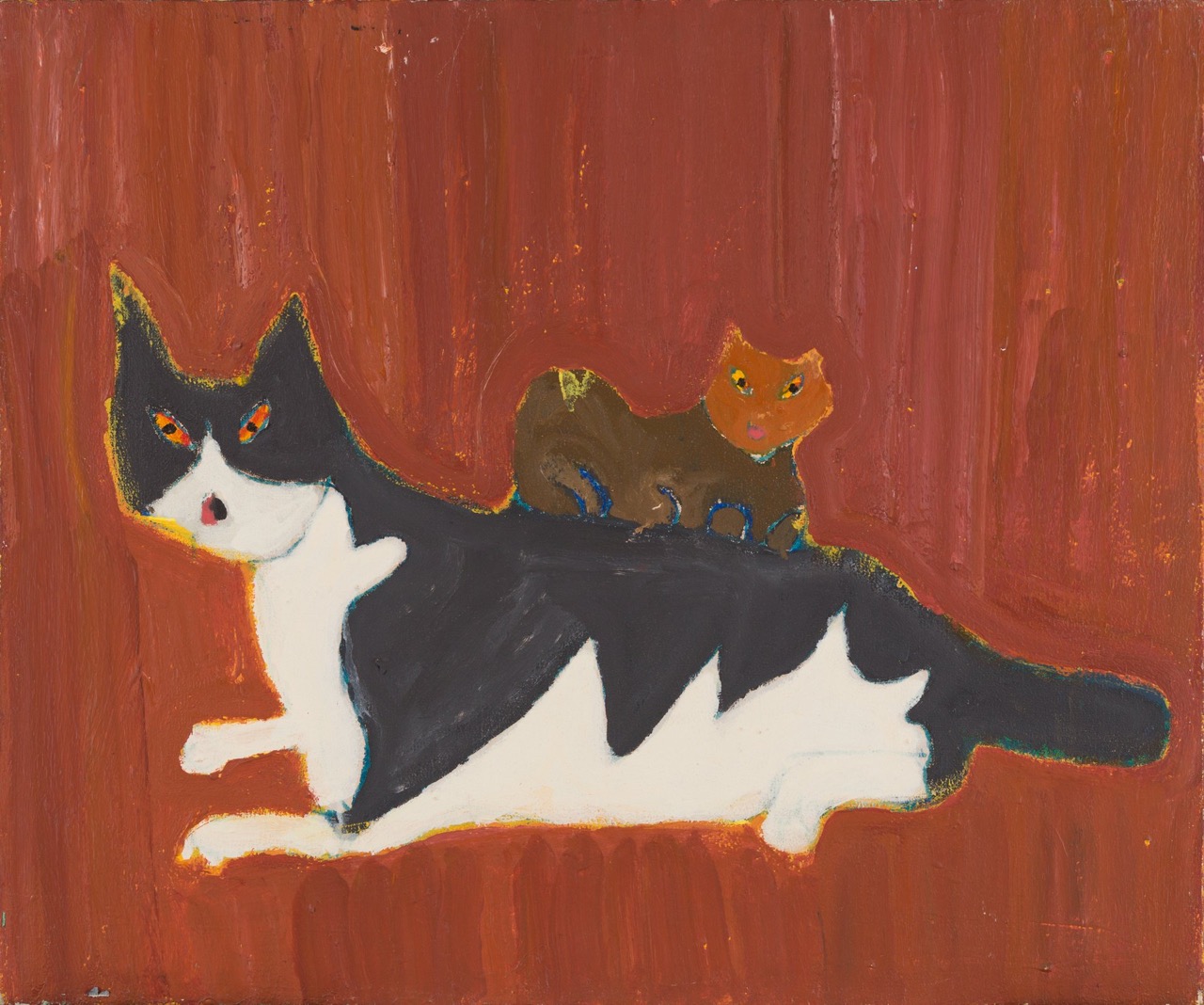
He lived in Mizunoki from 1962 and participated in the art class from its inception. Nishigaki nicknamed him "Ozasa Printing Works" because he would paint the same picture multiple times. His style blossomed when he encountered canvas and oil paints, and he produced many of his representative works. He loved cats and always drew pictures of them in his diary.
Tetsuaki Hotta(1949-2015)
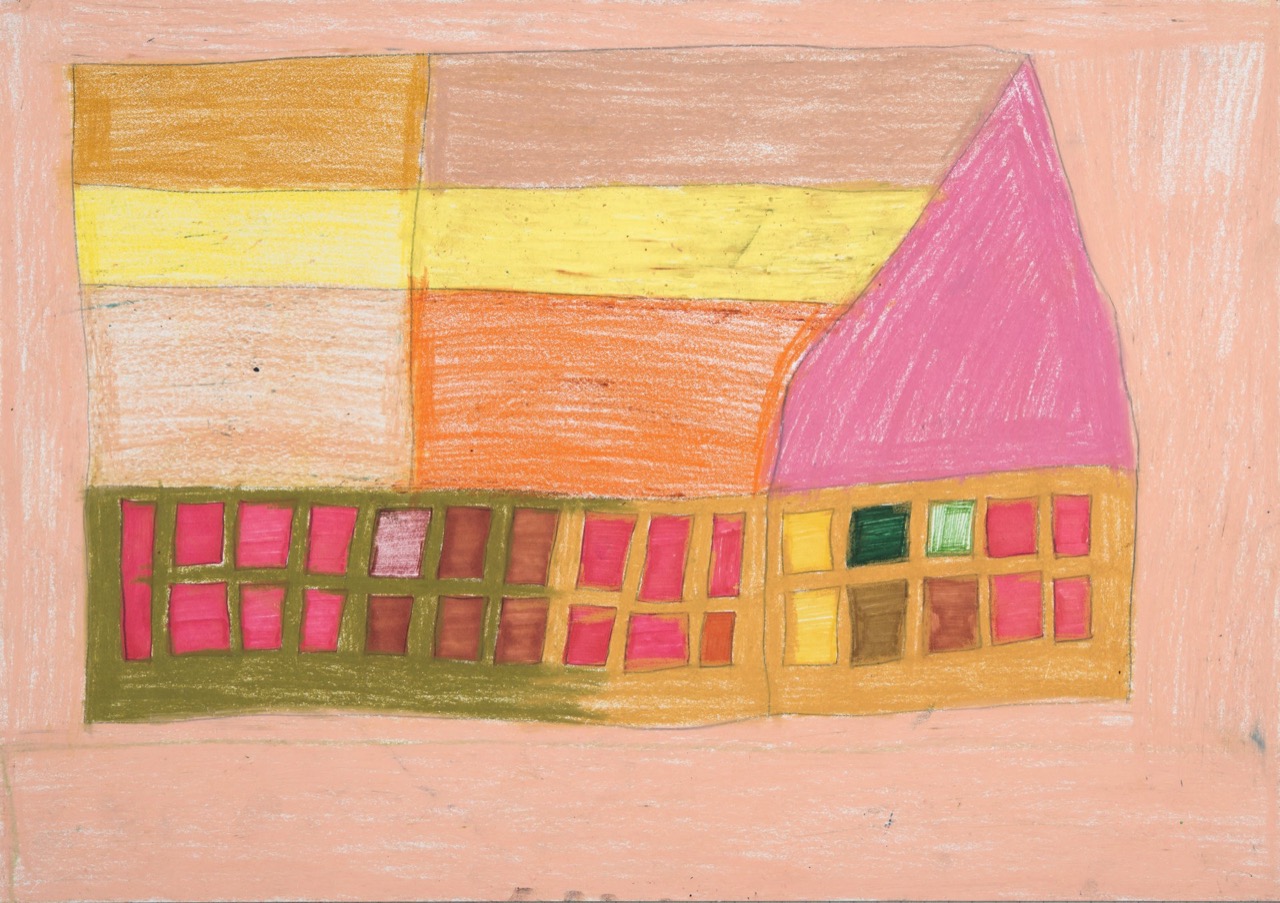
She lived in Mizunoki from 1968 and participated in painting classes. For about 35 years, she made "houses" her sole motif, which she began to paint by imitating the paintings of Satoru Yamamoto, and produced approximately 900 works. She had a fondness for small, worn-out crayons, carefully picking them up from empty cans and bottles to use.
Kazuo Yamamoto(1955-2025)
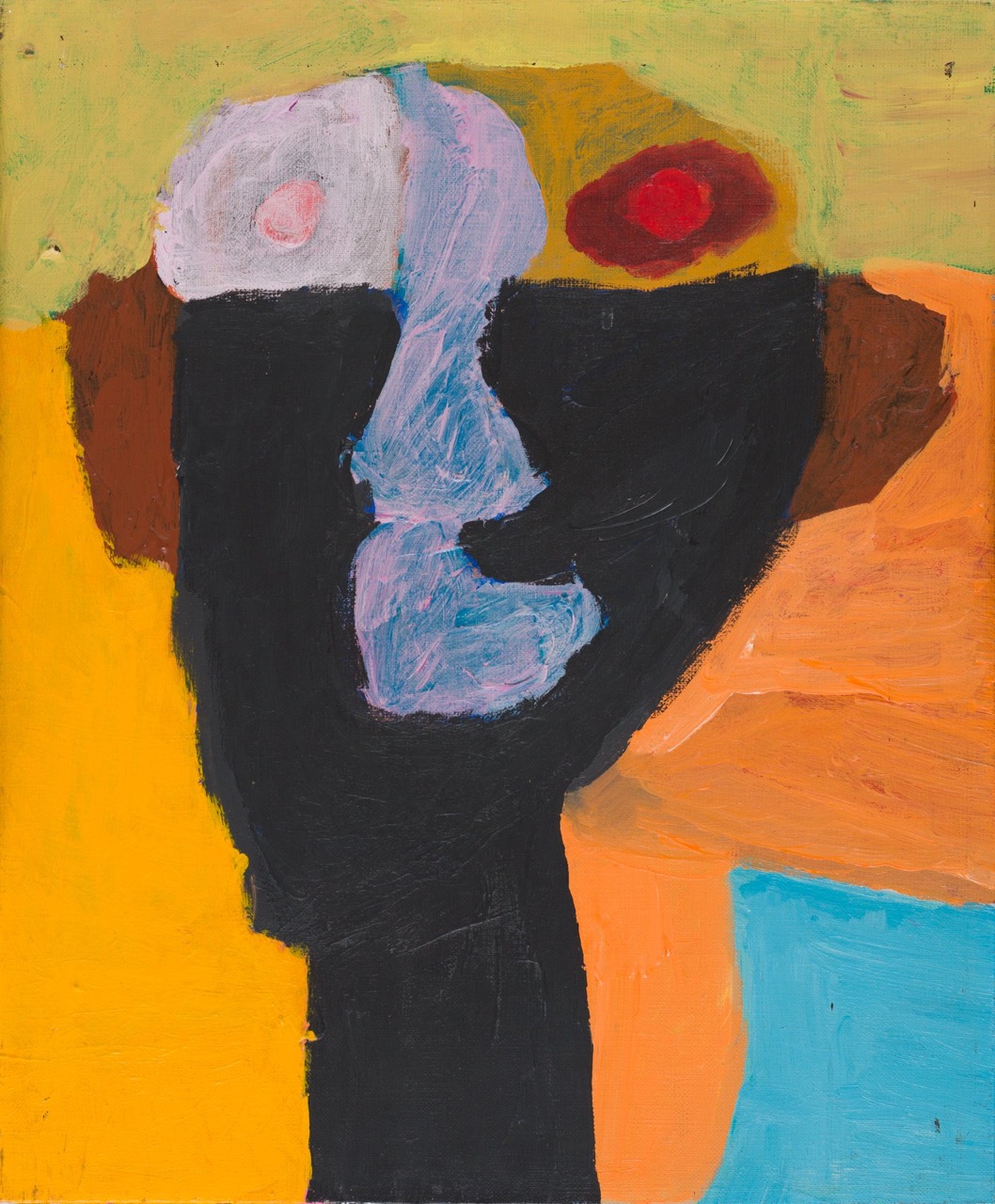
She joined an art class in 1976. From the beginning, she demonstrated an exceptional sense of color. She drew designs using plates, cups, and stencils of her own hands, and finished them with acrylic paints and spray paint, creating rich, translucent works. She painted meticulously over time, sometimes even dozing off.
Toshiaki Yoshikawa(1947-1987)
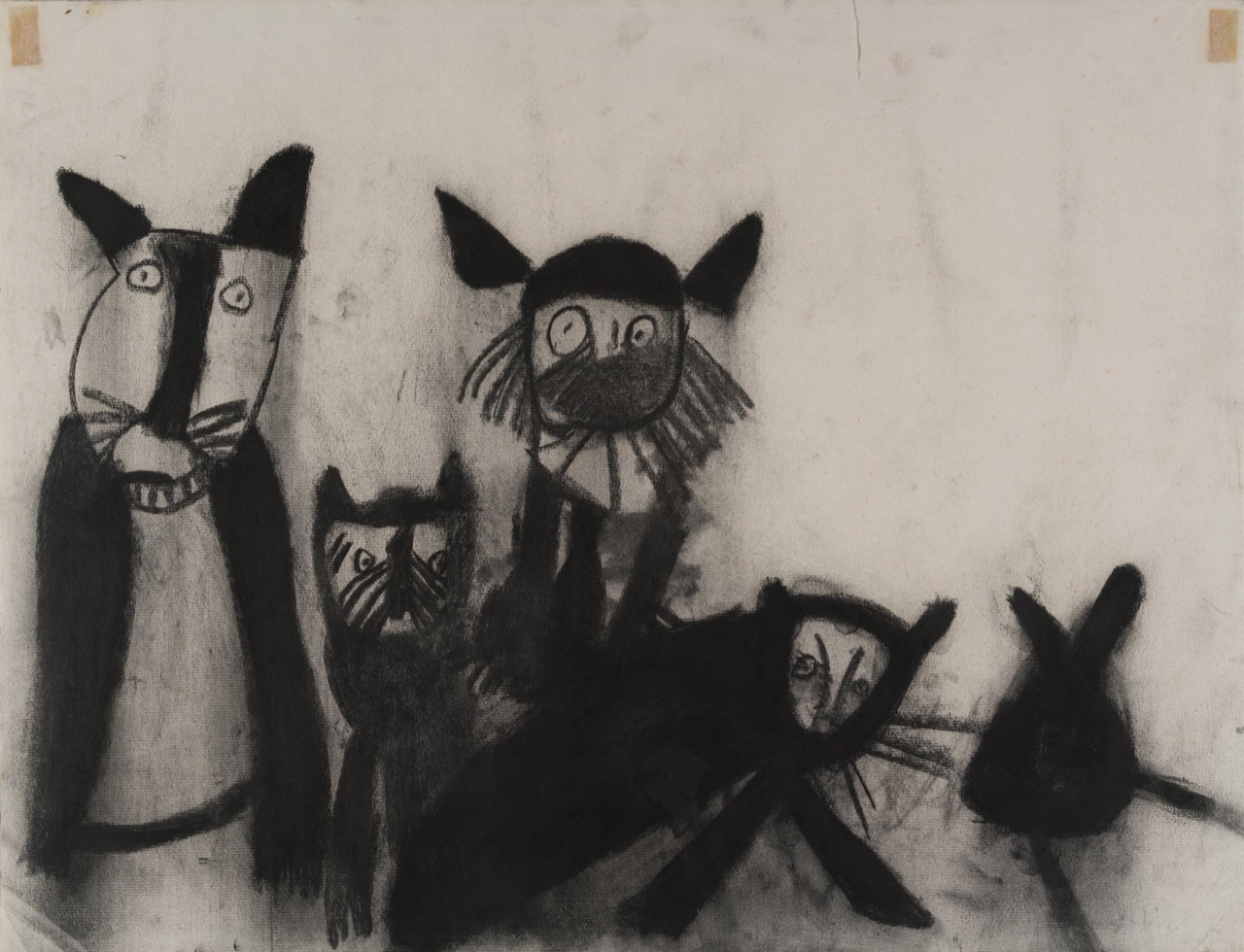
He joined Mizunoki in 1966 and began participating in art classes that same year. He created his works using charcoal and crayons. In his charcoal drawings, bold motifs filled in with black and ample negative space create an expressive monochrome world. He surprised Nishigaki by finishing his works without any corrections or revisions.
Yuka Okamoto(1973 年 生)
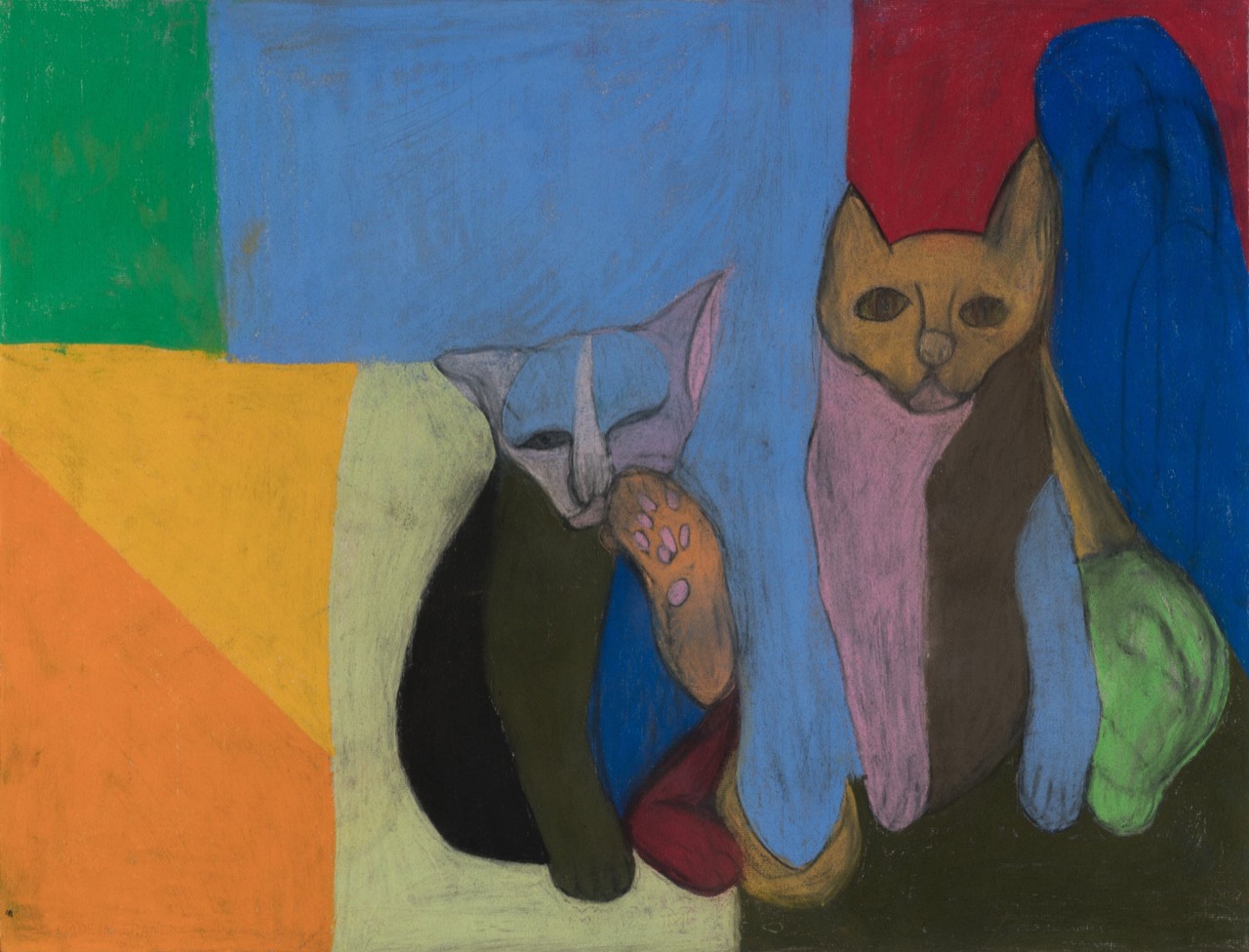
Recognized for his artistic talent from a young age, he joined Mizunoki Art School in 1994 and participated in their art classes. He primarily used charcoal, but also created powerful and substantial works using acrylics and oils. Although he was expected to achieve great success, he left the school to live in a region he admired and has since distanced himself from art.
Animated video work "Mizunoki Zoo"
This screening features an animated film by filmmaker Riki Urasaki, inspired by his encounter with animal paintings in the storage room of Mizunoki, a facility for people with disabilities. He selects animal paintings from those created in the Mizunoki Art Class and uses those images to create a miniature zoo.
Video: Riki Urasaki
Music: Taku Hanoda
Production: Mao Nakamoto (UNGLOBAL STUDIO KYOTO)
An exhibition of works created at Mizunoki Painting Class.
At Mizunoki, a support facility for people with disabilities, an art class was established in 1964 for the residents and continued until 2001, the year after the death of its instructor, Shuichi Nishigaki. Nishigaki, also known as a Japanese painter, initially started the program as a club activity primarily for leisure and emotional development. However, sensing the diverse reactions and signs of change among the residents, he later shifted to full-fledged art education. Nishigaki independently developed a practice program for form and color, which formed the basis of the art class.
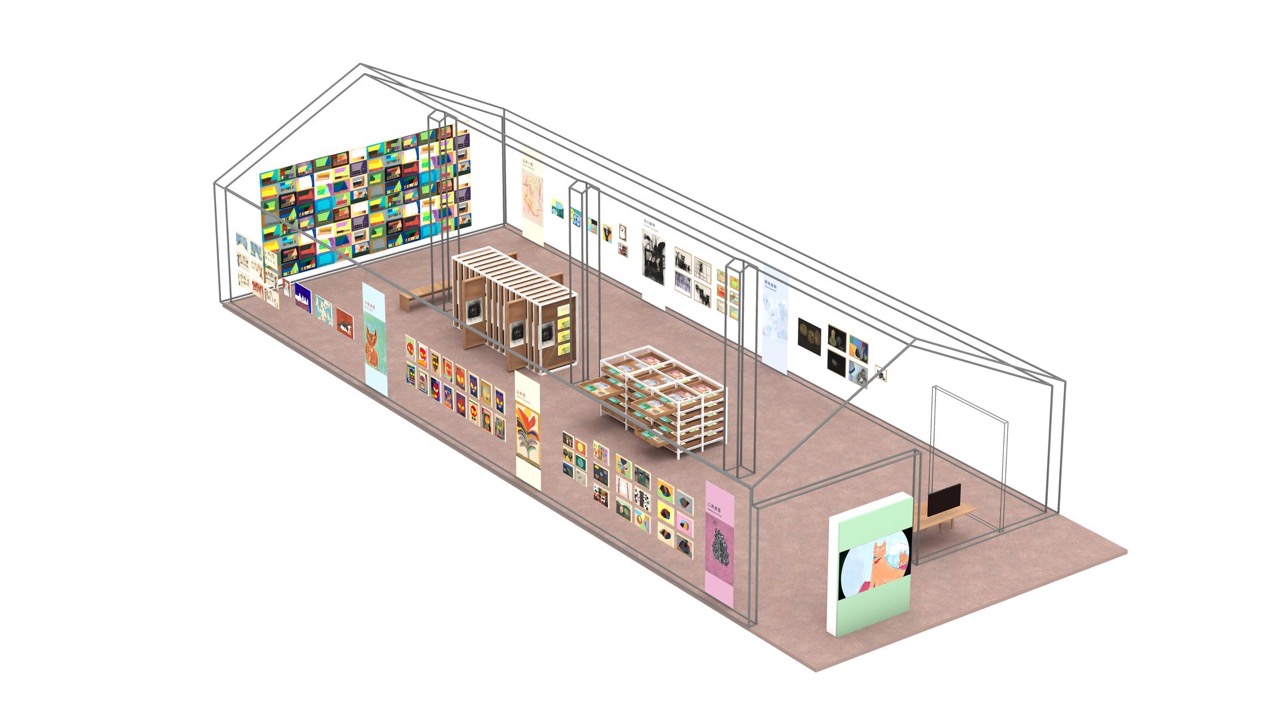
This exhibition at the Hyper Museum will showcase works that highlight the artist's distinctive drawing style. In addition, shelves reminiscent of a storage room will be set up in the center of the exhibition space, allowing visitors to experience firsthand how many works are still kept there. The Mizunoki Painting School has since been reorganized as the "Mizunoki Atelier" and is now engaged in leisure activities once again.
Mizunoki Art Museum Digital Archive & Materials Corner
We will be setting up a corner where visitors can view the "Mizunoki Archives," which are usually only available at the Mizunoki Art Museum. You can view the history of the Mizunoki Painting School, a list of its collection, and related materials digitally. In addition, we will be exhibiting materials such as the book "The Innocent Painters - 30 Years at a Dormitory for People with Intellectual Disabilities" by Shuichi Nishigaki (NHK Books, 1996) and catalogs from the Mizunoki Art Museum.
Join the Hyper Kids Program!
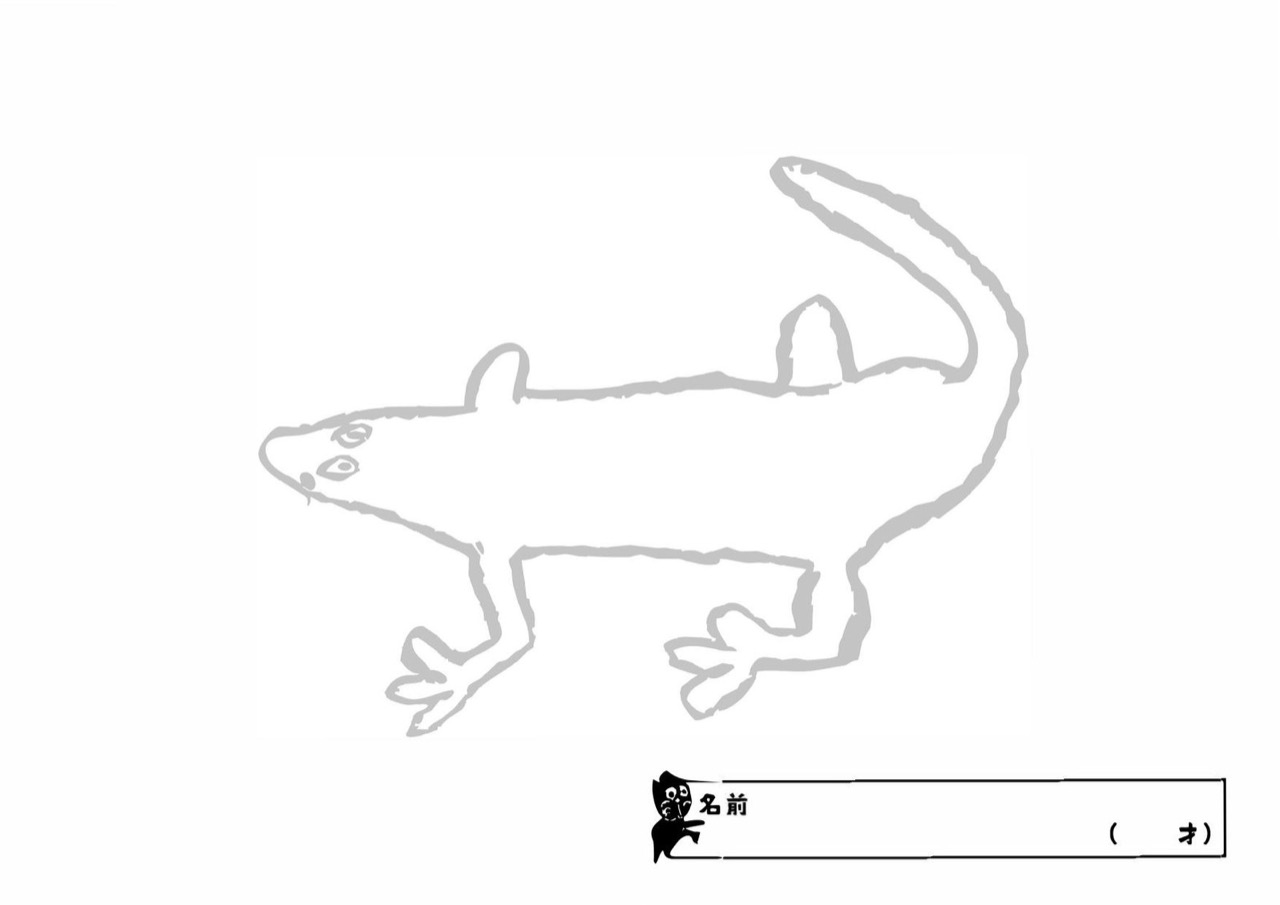
Where does the desire to draw come from? During the exhibition period, we will be holding a workshop where you can experience drawing through coloring pages of lizards and frogs that appear in the animated film "Mizunoki Zoo"! This will be a unique opportunity for parents and children to enjoy together.
We sell miscellaneous goods such as tote bags.
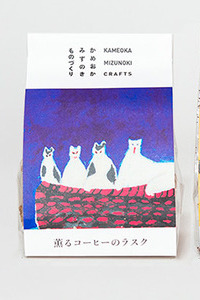
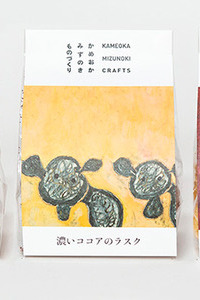
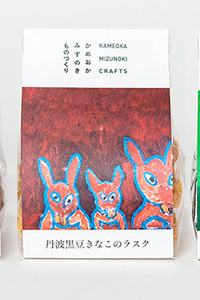
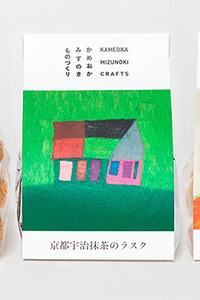
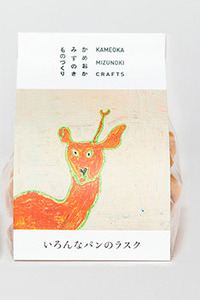
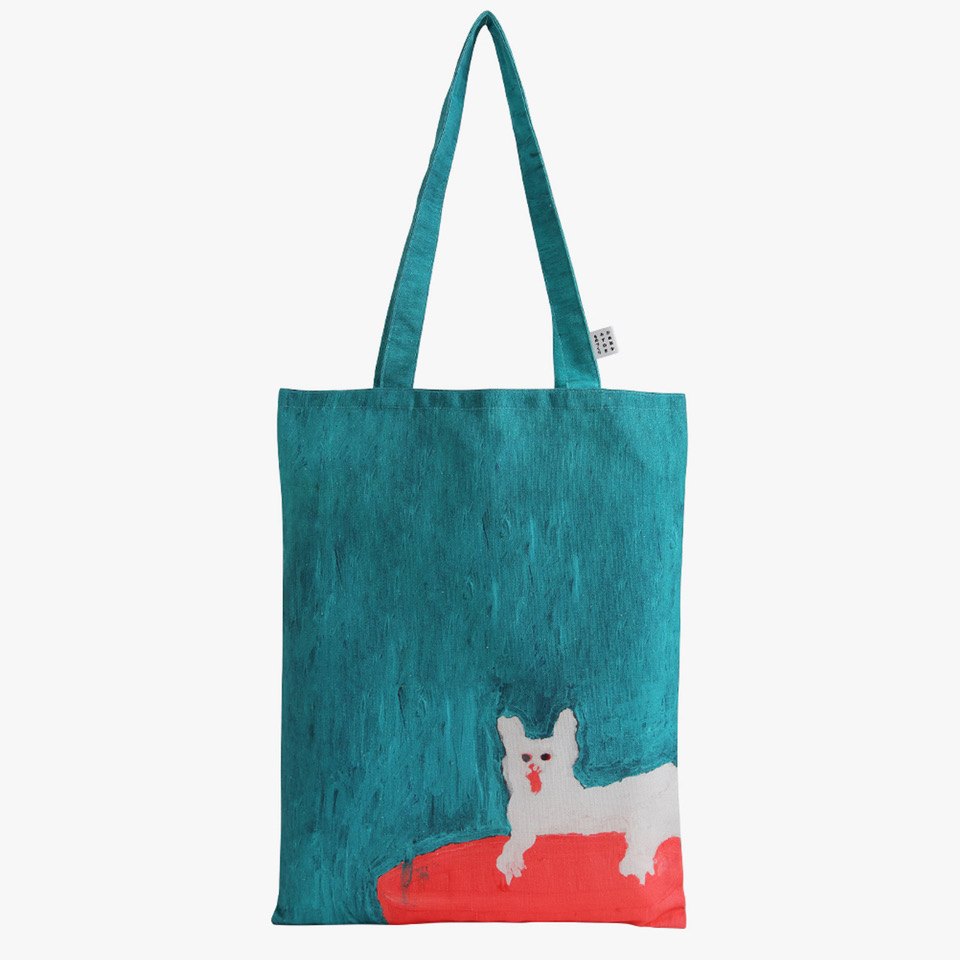
We will be selling tote bags and other goods featuring unique designs from the Mizunoki Museum's collection, depicting animals, houses, and more. These lovely items are filled with the charm of the artwork. Please come and purchase them!